I arrived doubly foreign — to the city and to American culture. The real New York was nothing like the idea of it. Brutal in a way no amount of preparation can tell you. And my job, from day one, was to give Maybelline back the New York identity it had slowly drifted from.
I didn't arrive with a method. I arrived with no choice but to pay attention. That distinction matters more than anything else in this case.
My first months, I didn't open a brief. I walked. I photographed the city obsessively — the buildings, the people, the light at different hours, the grime and the beauty that exist right next to each other. The subway at rush hour. Harlem on a Sunday morning. The Lower East Side at midnight. I was filling myself with a city I didn't yet know, before I had any language for what I was finding.
What New York produces in the women who live it is specific and unmistakeable. Confidence earned the hard way. A beauty that exists in direct contrast to the roughness of the environment. An attitude that is a direct response to a city that never once makes anything easy. You don't perform these things in New York. You develop them, or you don't survive.
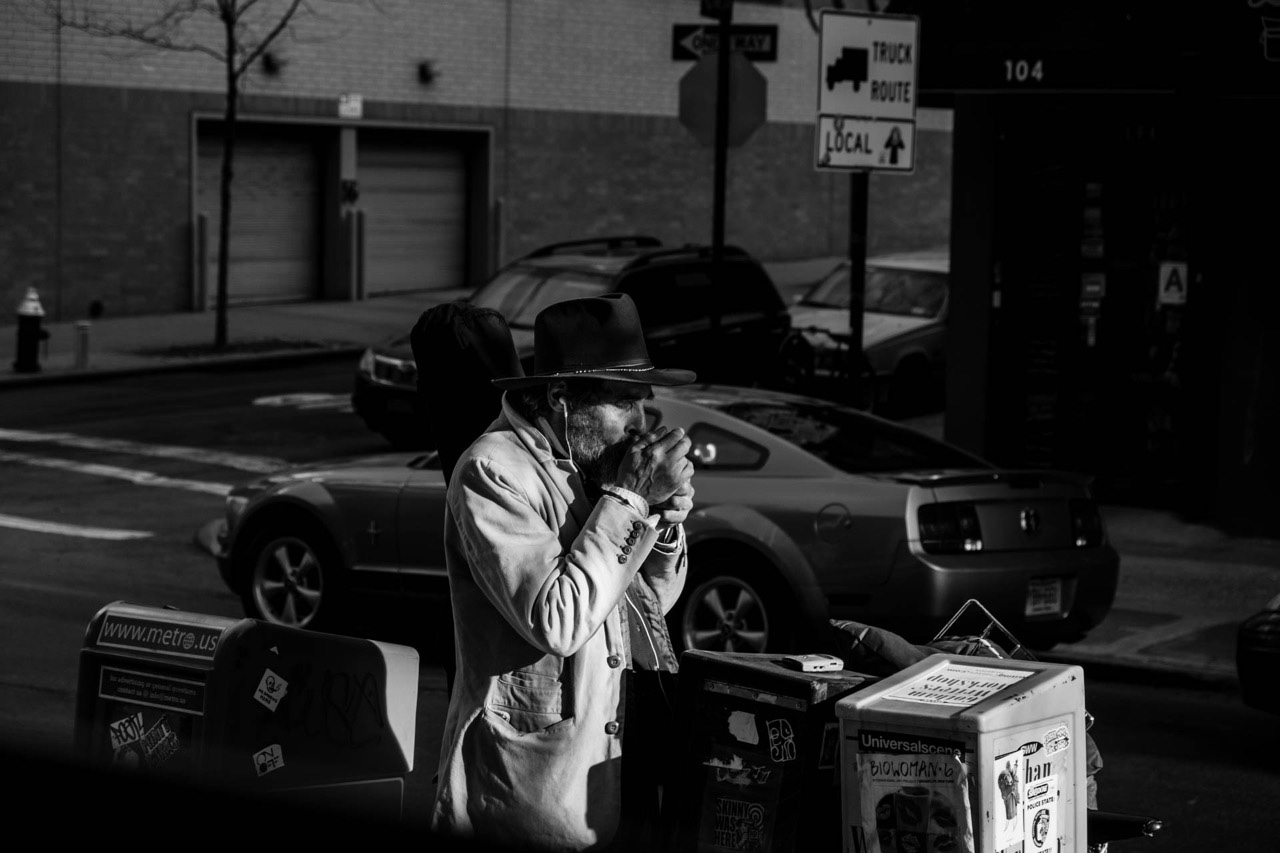
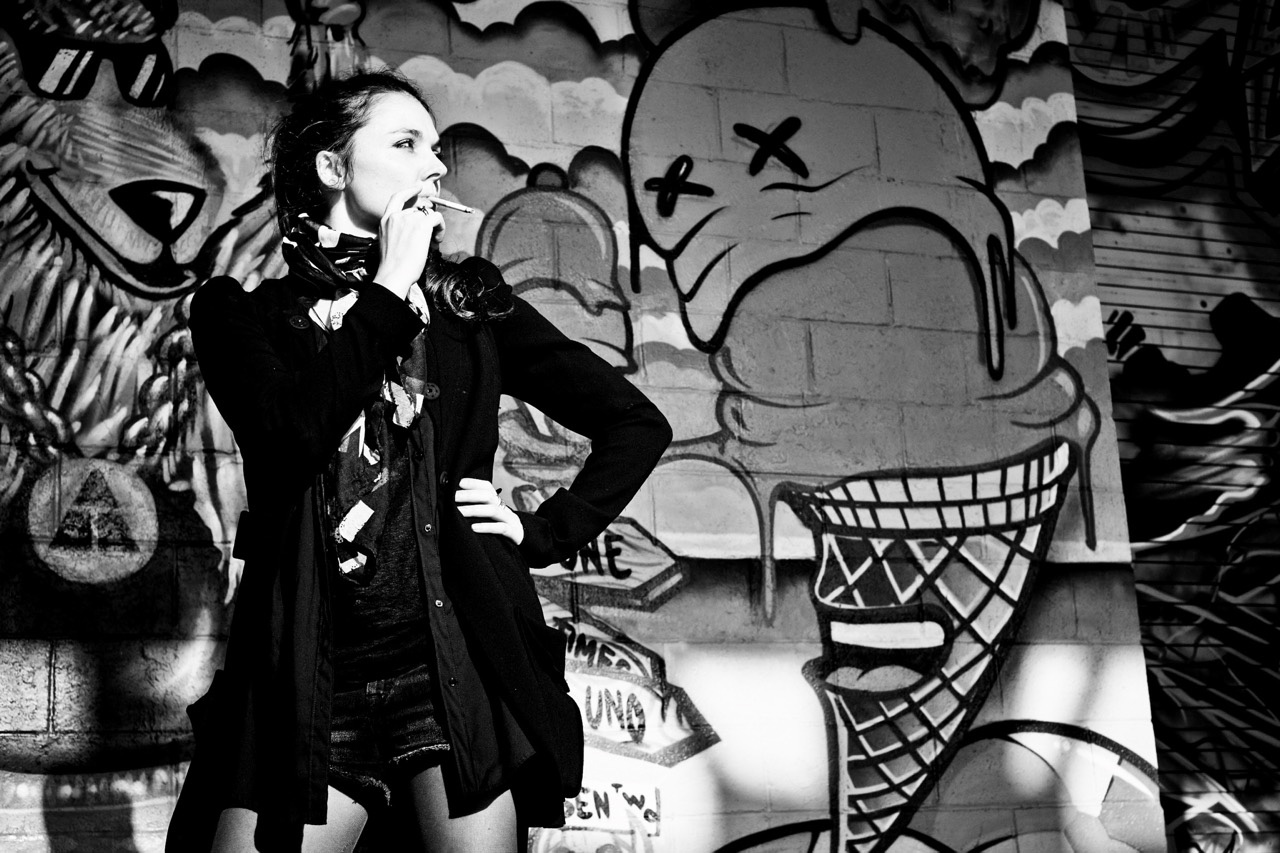
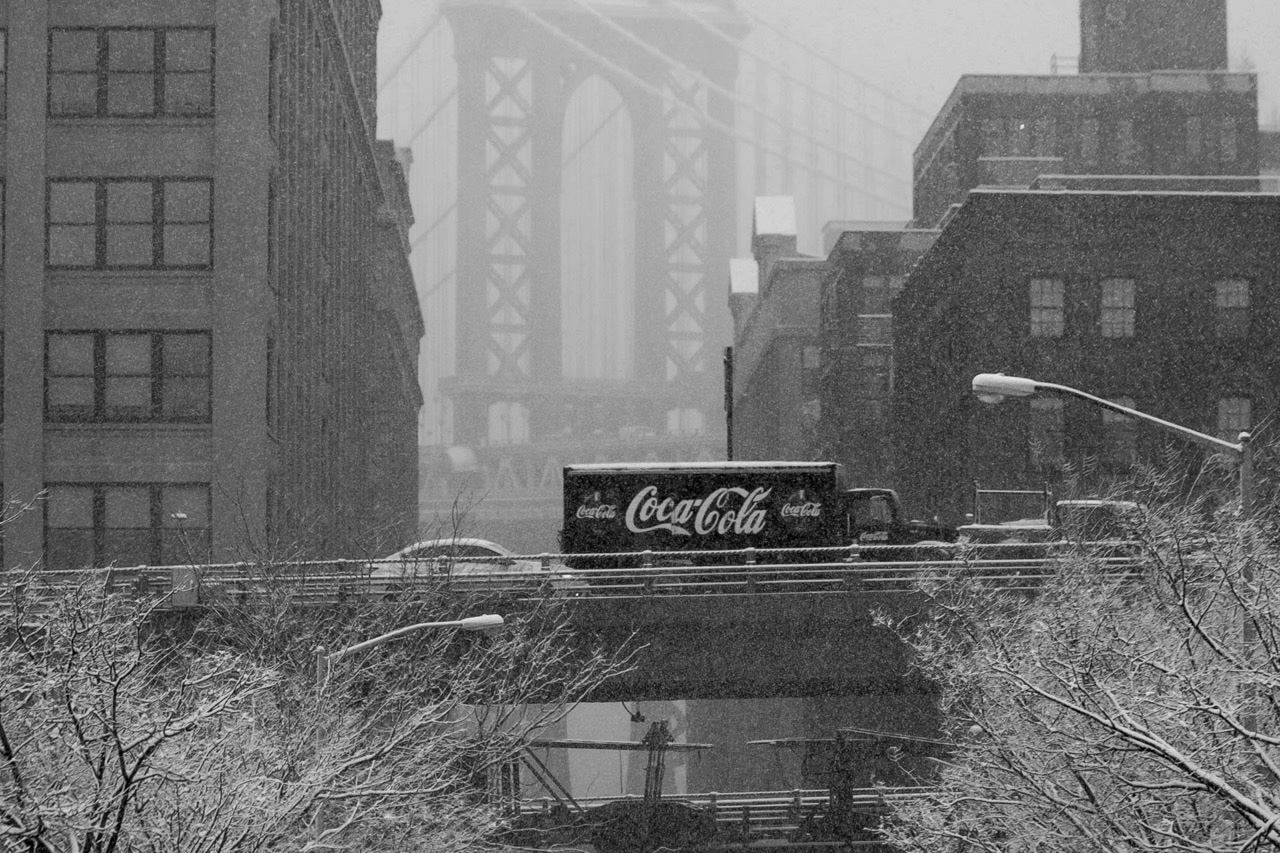
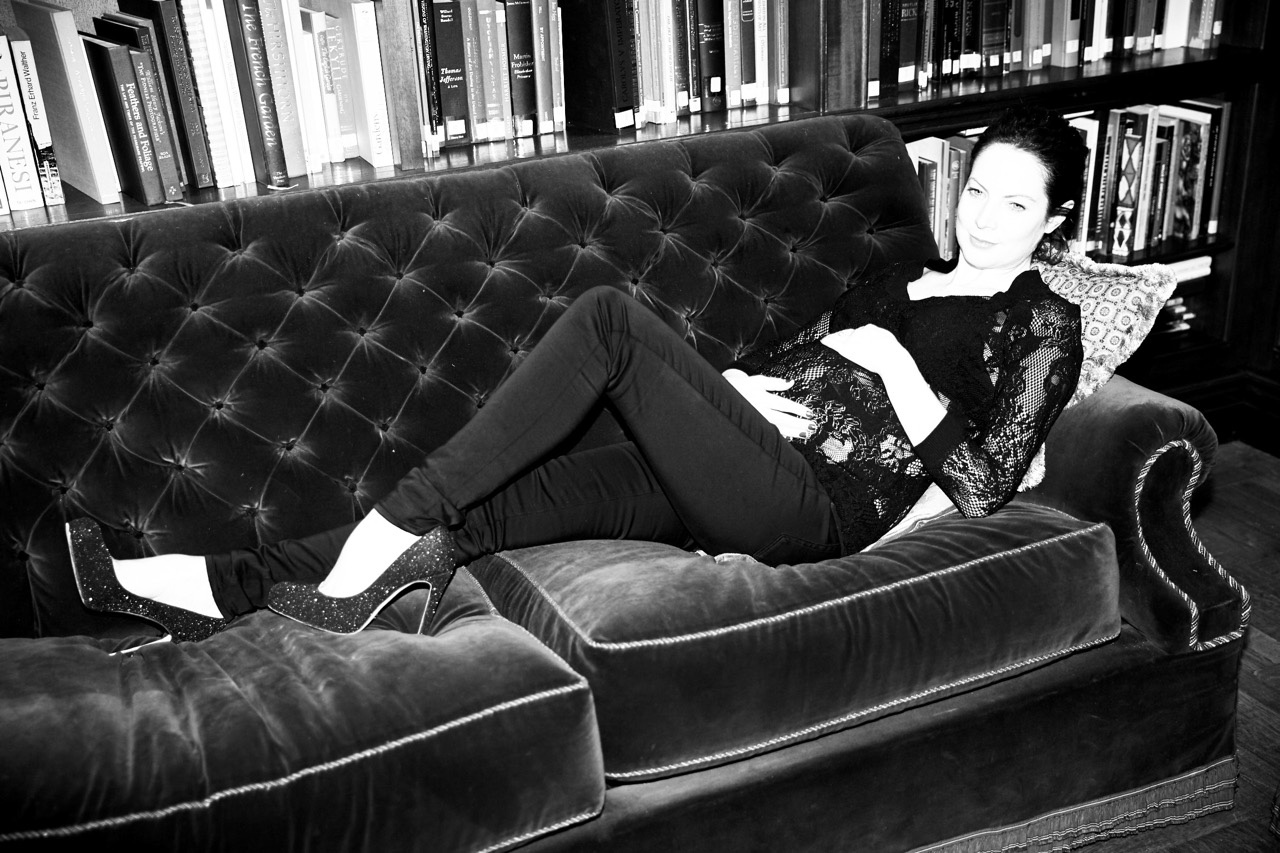
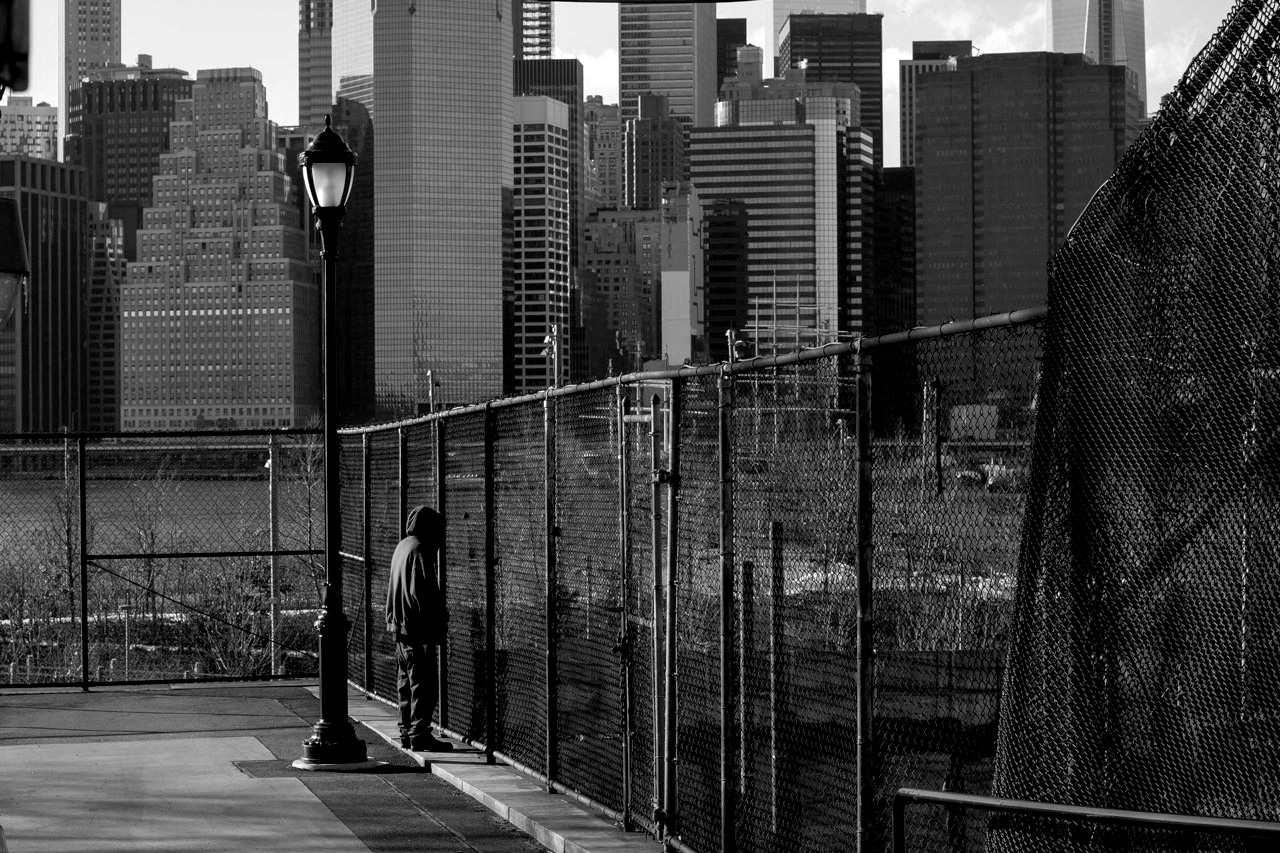

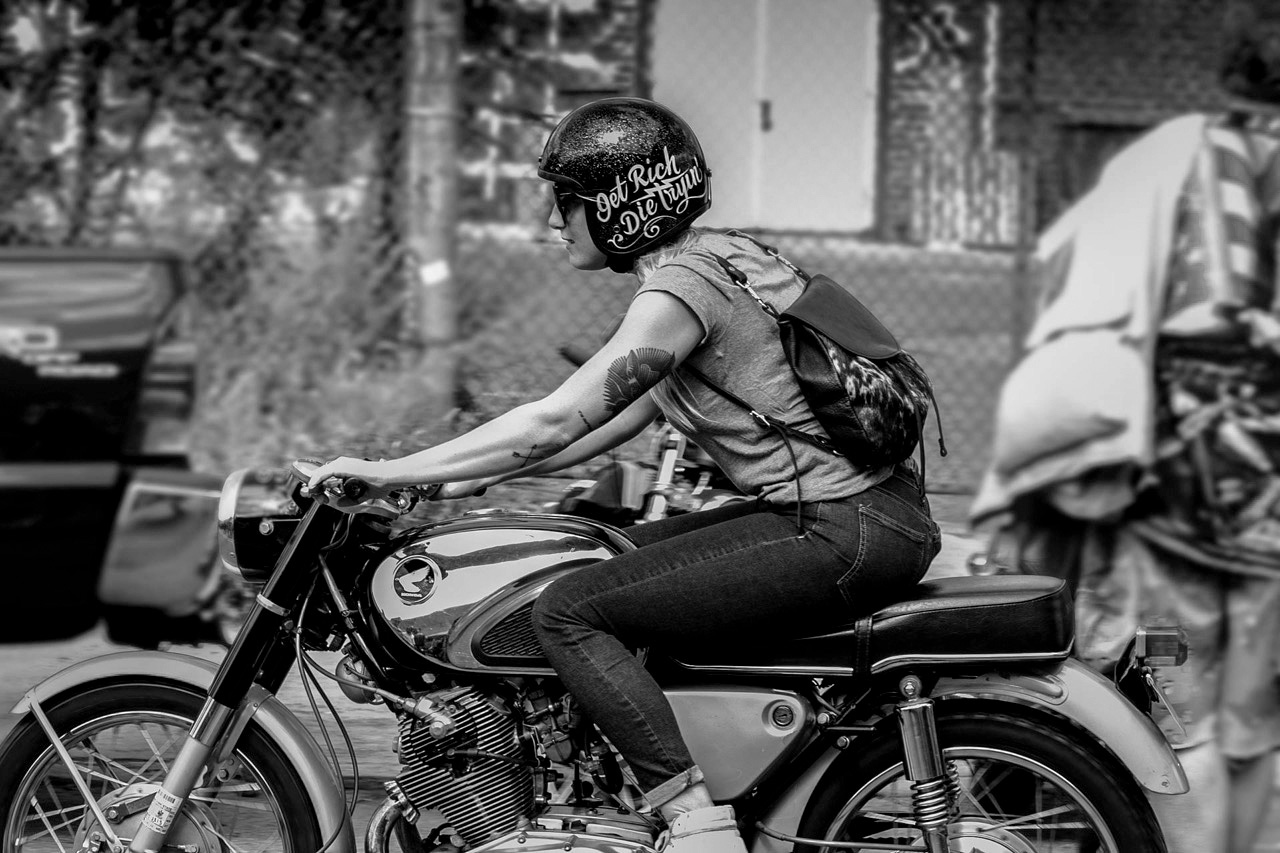
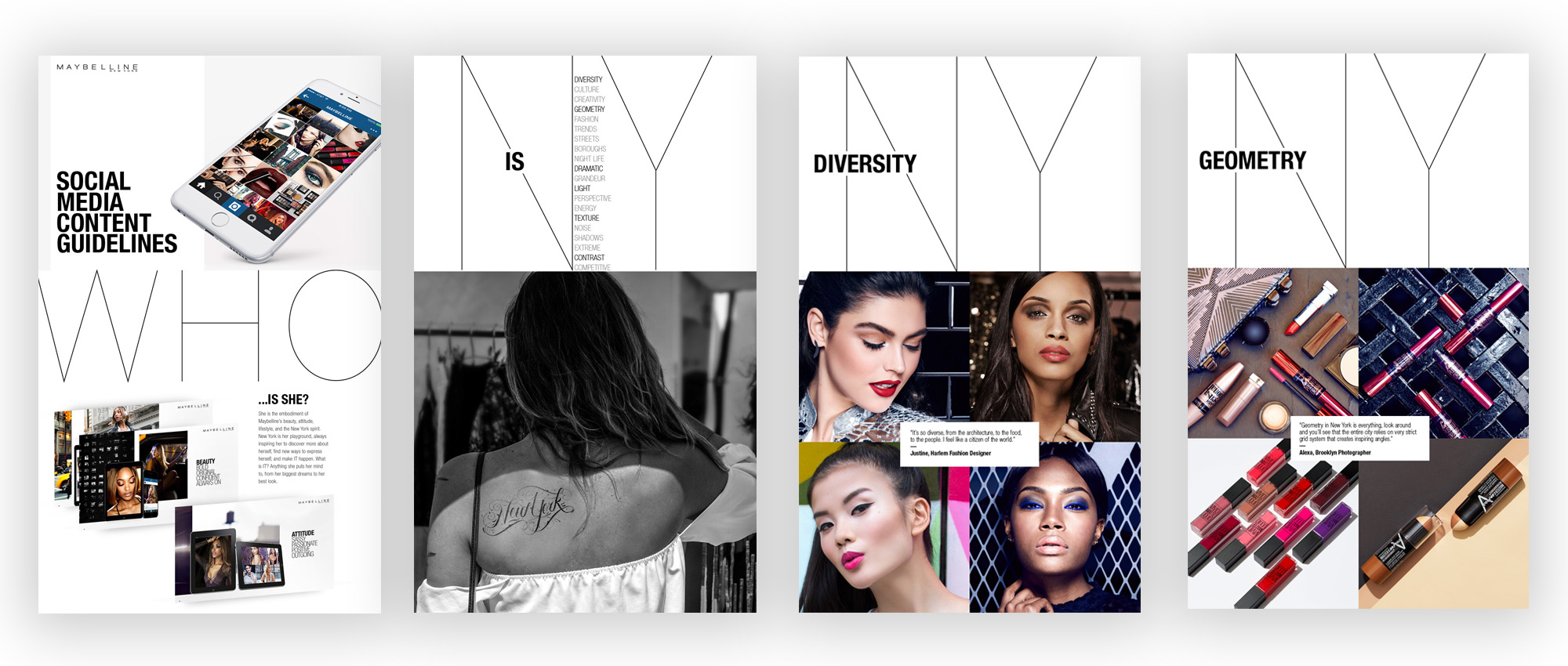
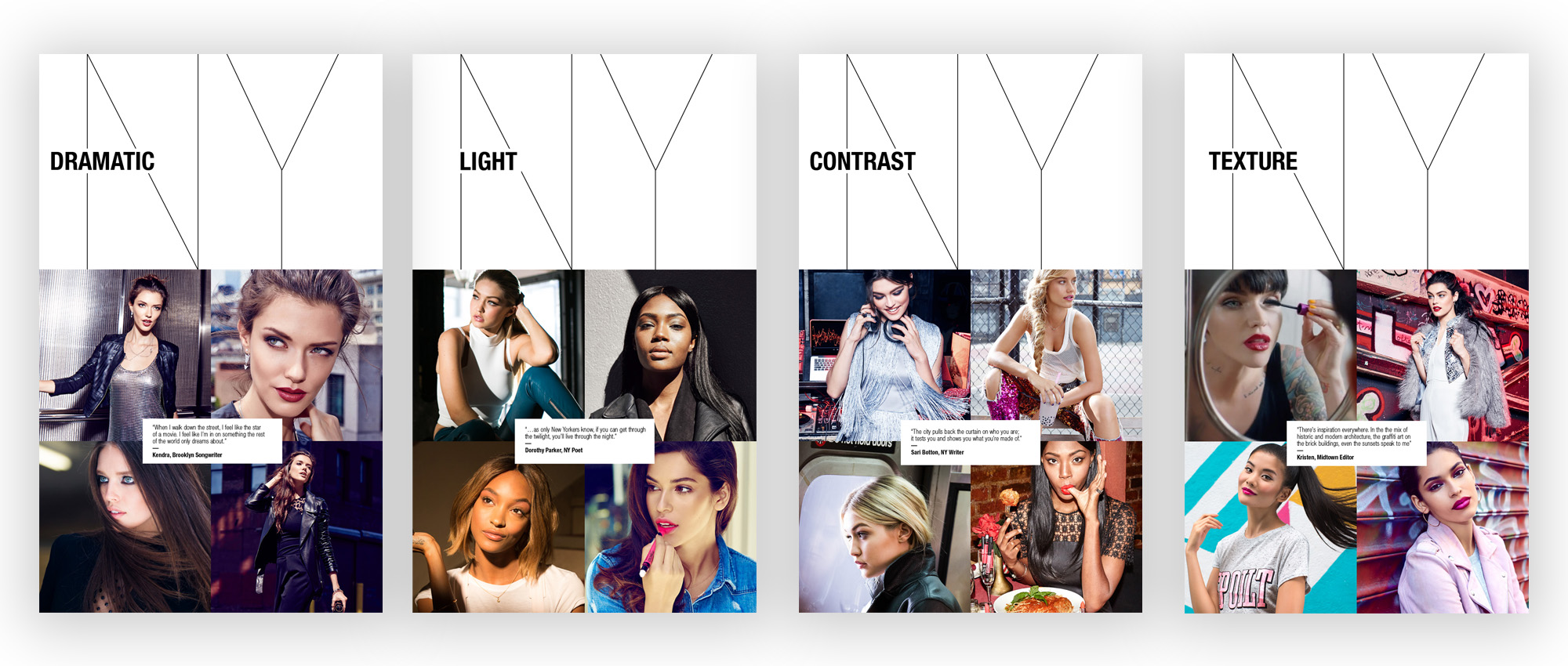
The Social Brand Book I built for Maybelline wasn't a style guide. It was a cultural map — six pillars, each rooted in what New York actually does to the people who live it. What it demands of them. What it produces in them. The brief came after the map, not before it.
New York is not one city. It is every city simultaneously. The brand belongs everywhere in it.
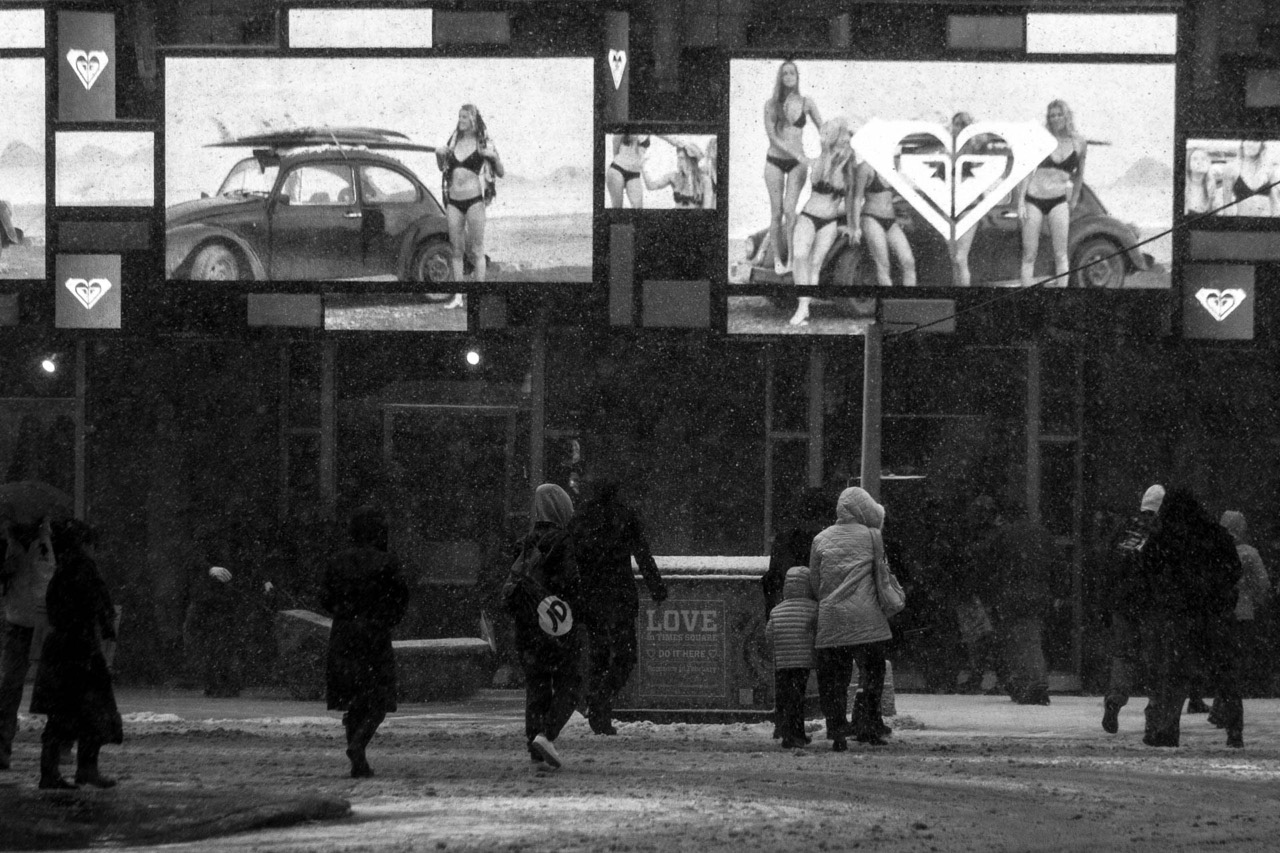
The city's architecture is not a backdrop. It is a frame. Hard lines, vertical drama, structural contrast.
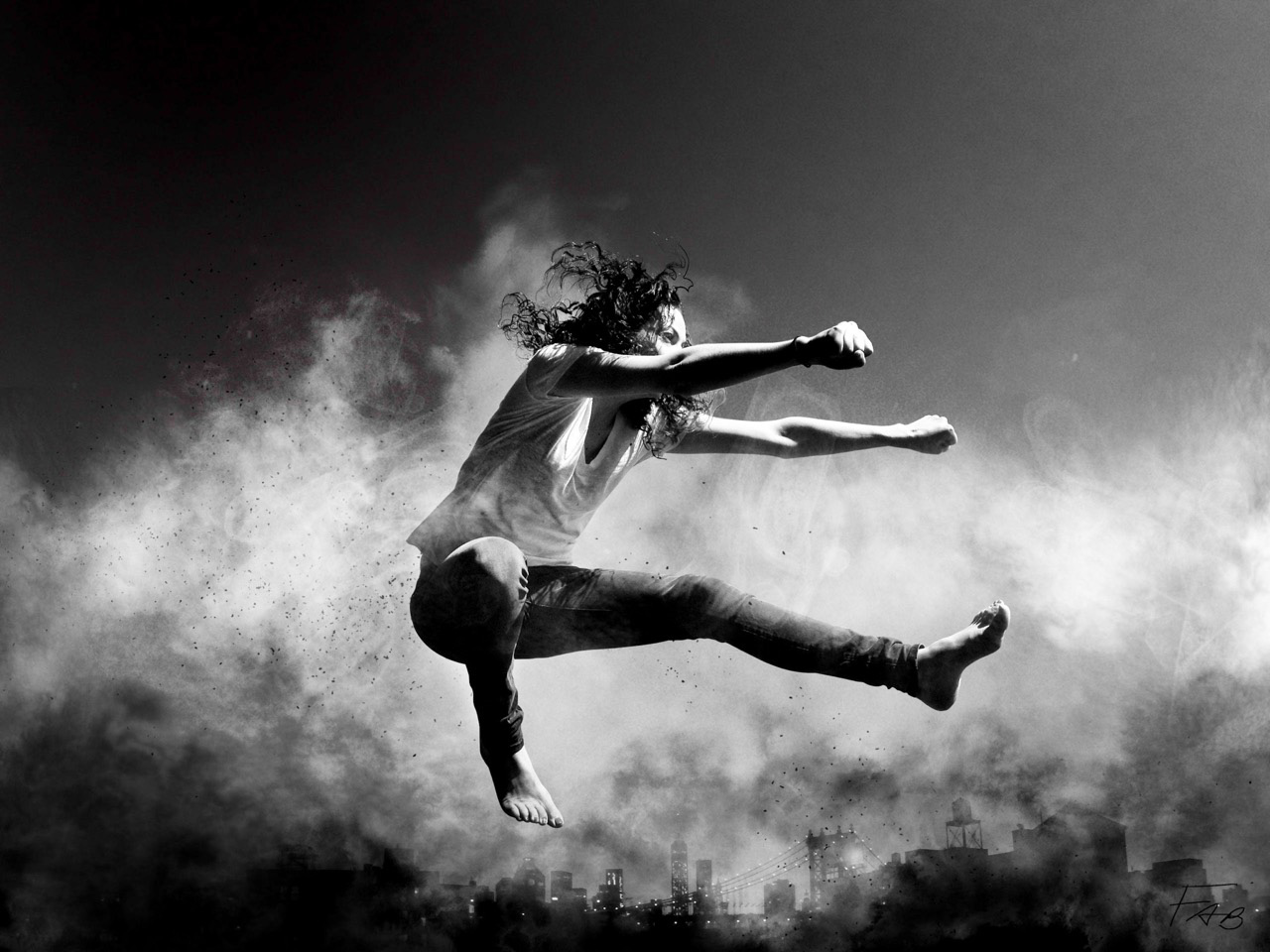
New York does not do subtle. Everything here is scaled up, turned up, lived at full intensity.
The city produces specific light. Harsh midday on a Manhattan block. The gold of a late-afternoon rooftop.
The grime and the beauty coexist. Roughness is not opposed to elegance in New York. It produces it.
Everything here exists next to its opposite. The brand lives in the tension between them, not outside it.
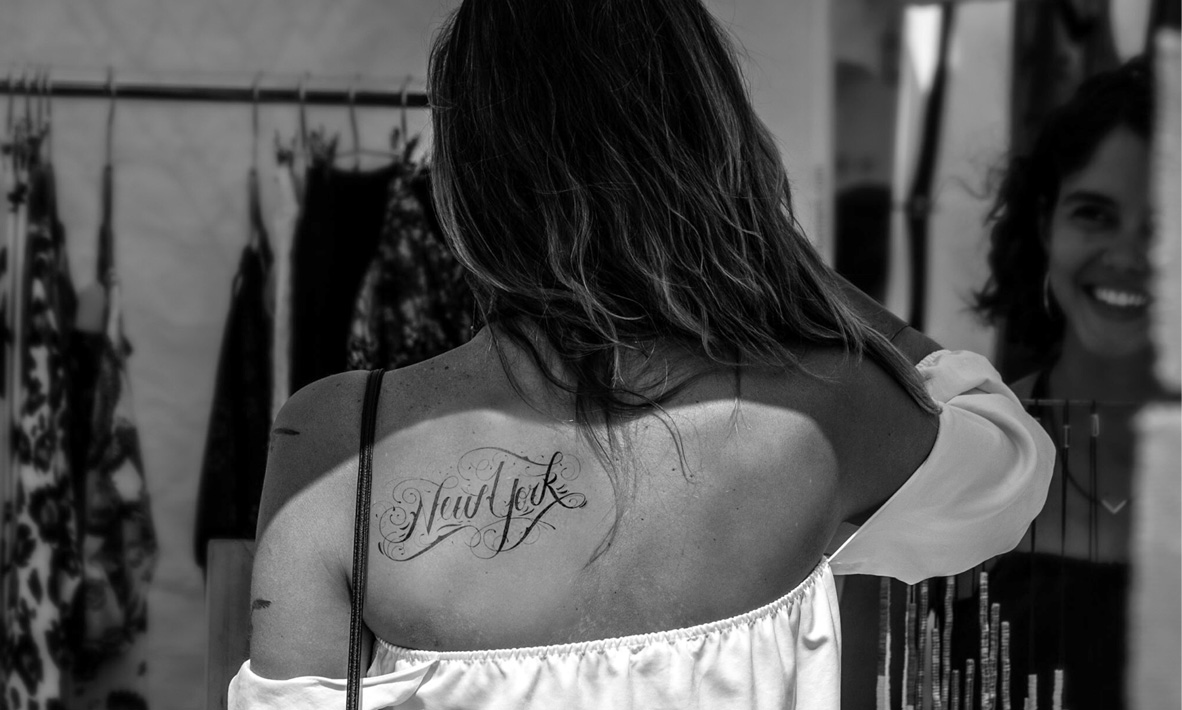
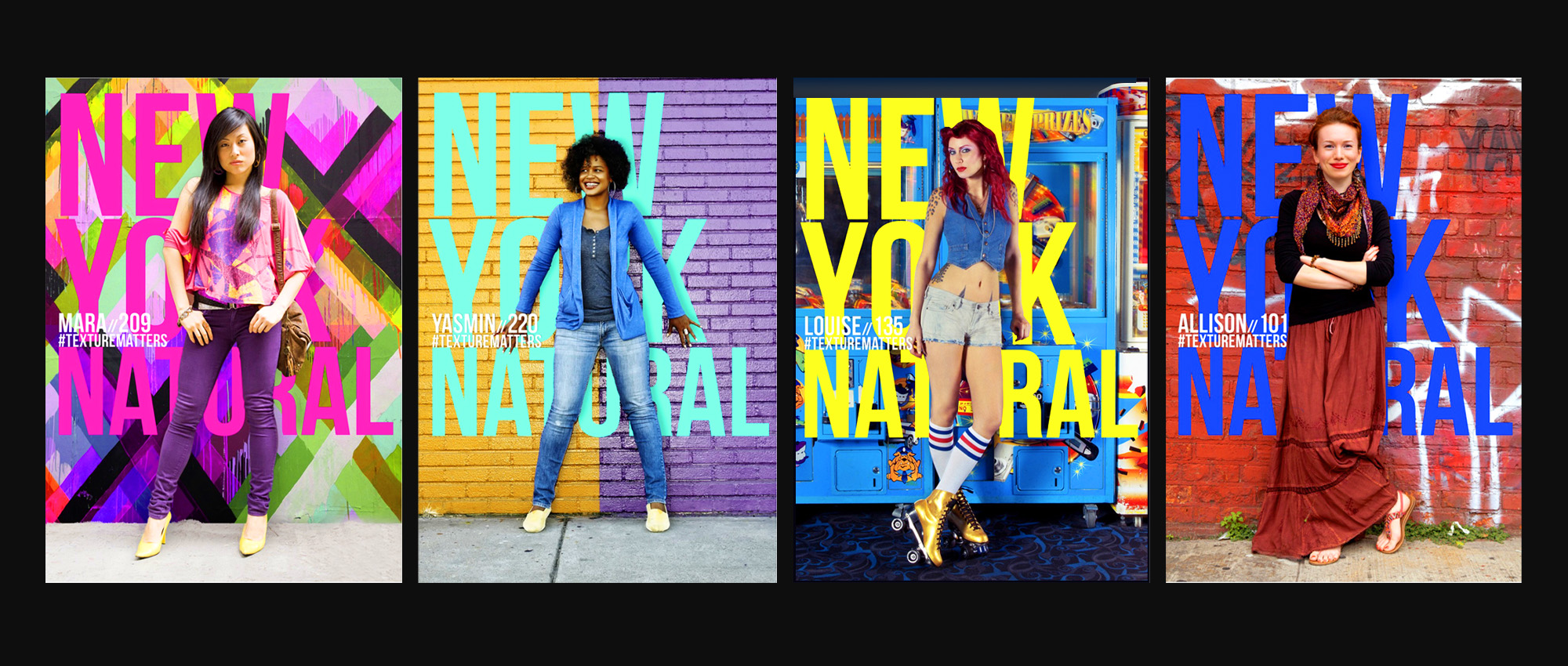
New York Natural was the first campaign to grow directly from the brand book. The brief wasn't a brief in the traditional sense — it was an application of what the cultural map had already established. Sixteen real women from sixteen New York neighborhoods, each photographed against the texture of their own city. #TextureMatters as the connecting thread. Wild-posted across the five boroughs.
The cultural insight was precise: texture is not just a visual property. In New York, it's a social one. The women who live this city wear it. The campaign didn't impose a beauty ideal on the city. It drew one from it.
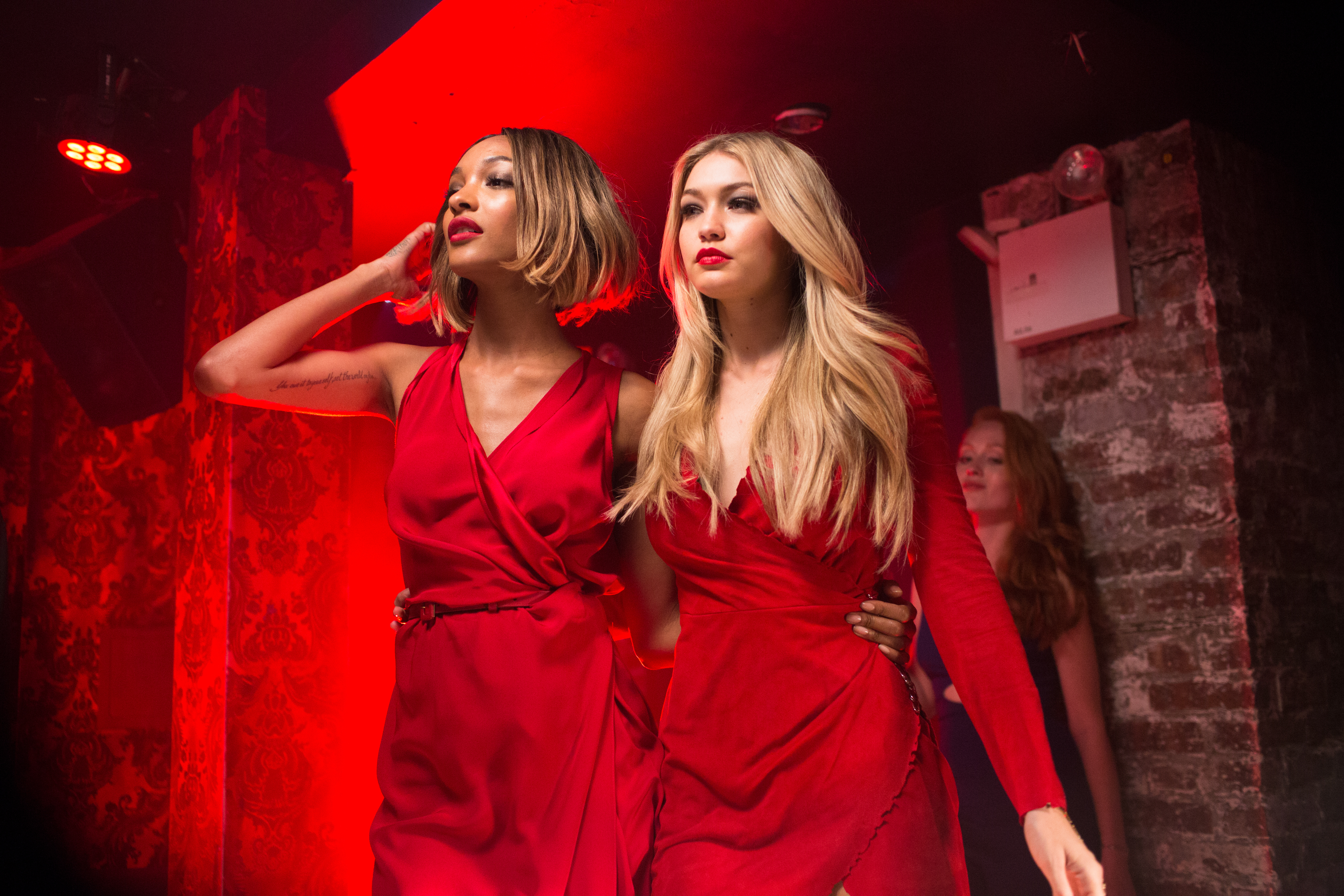
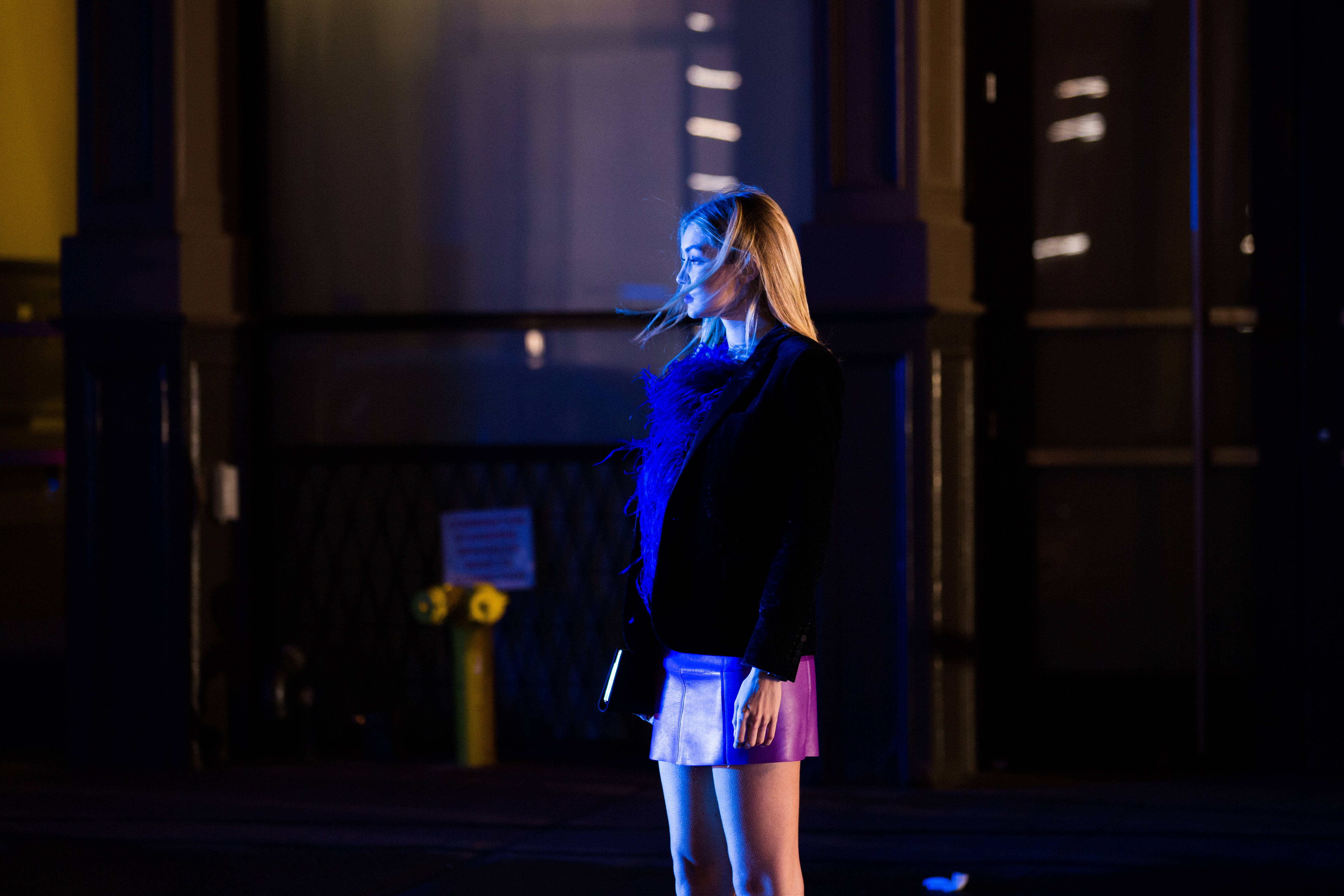
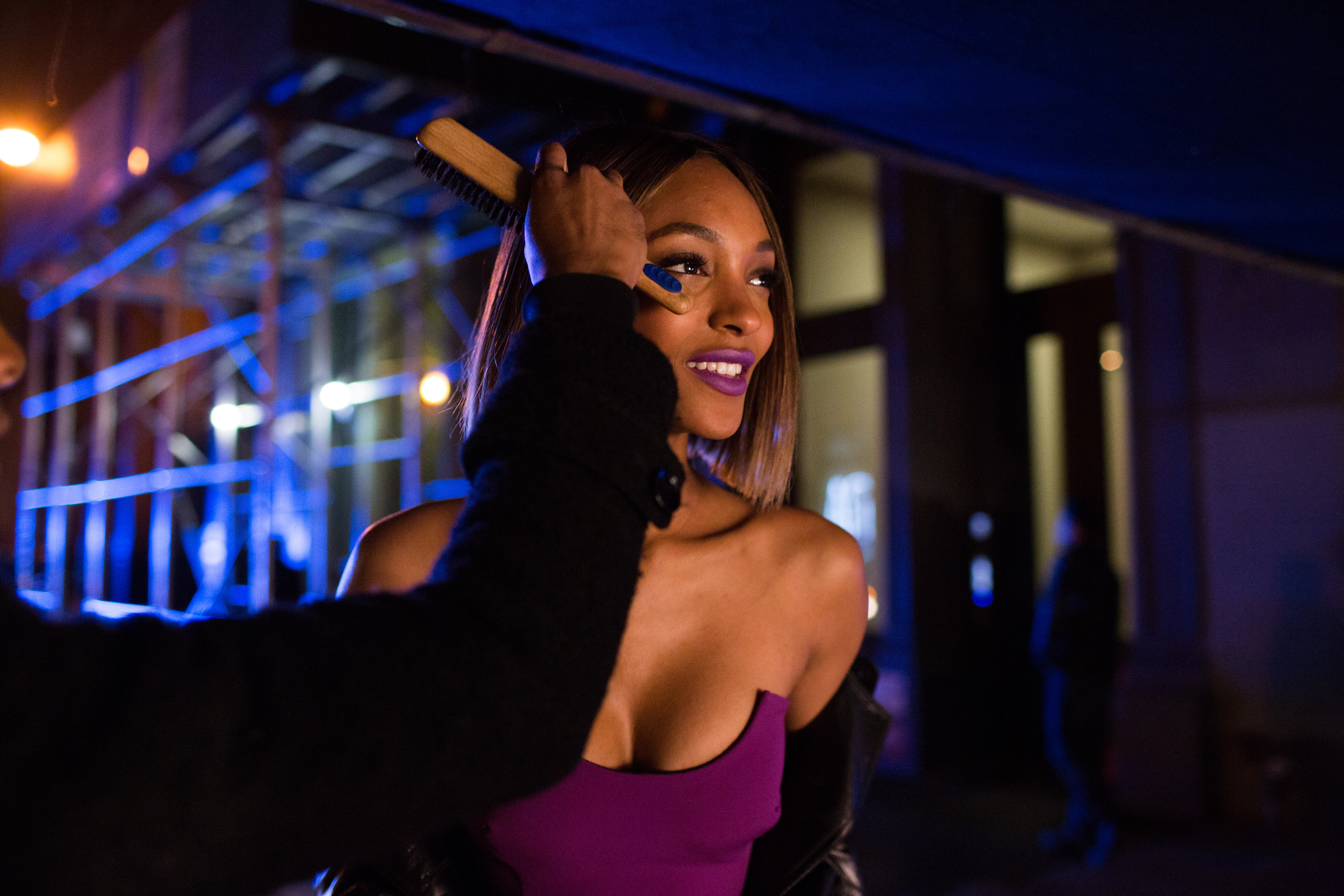
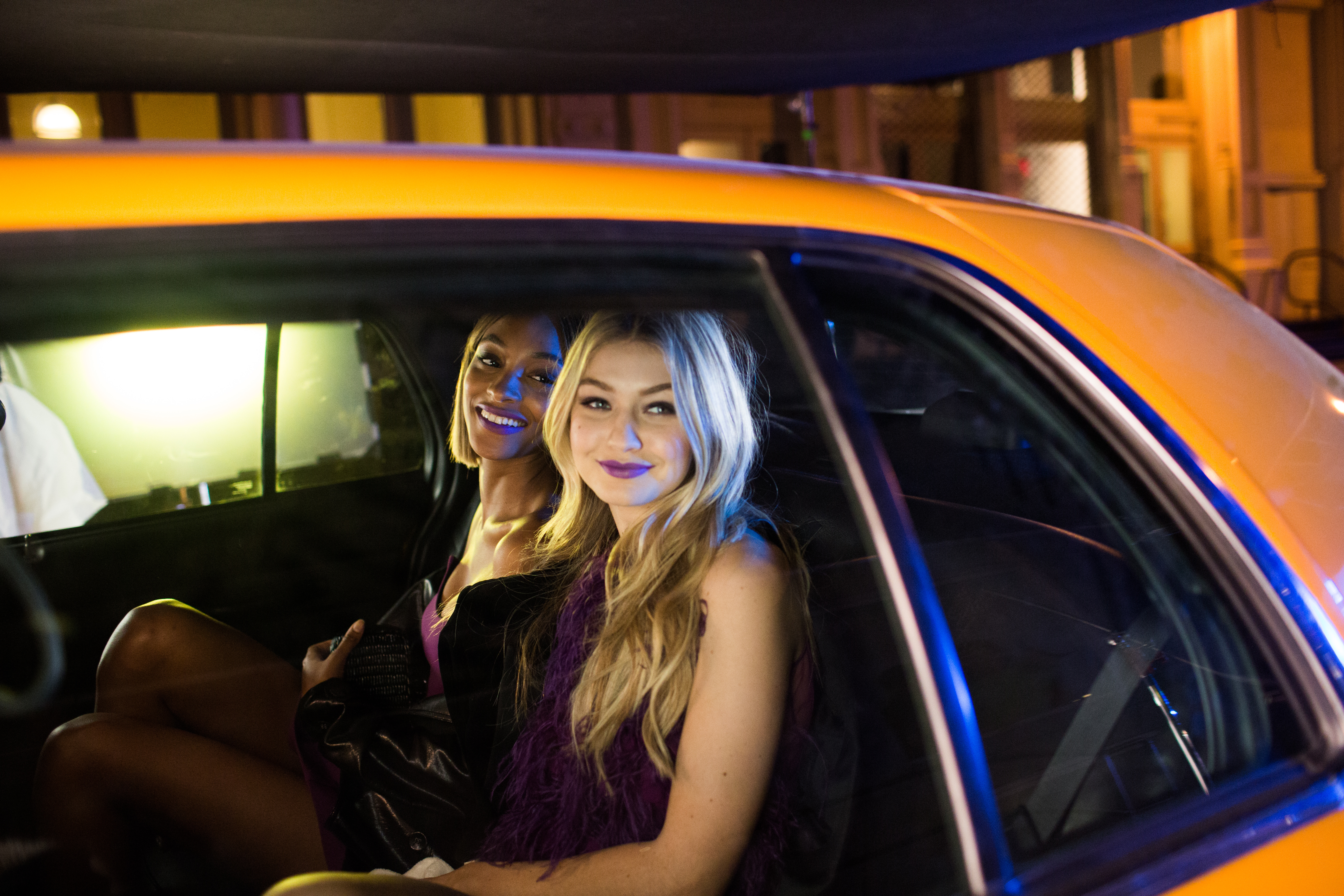
Make an Entrance was the campaign that proved what the brand book had established. Two films. Two products. Two facets of the same New York Attitude.
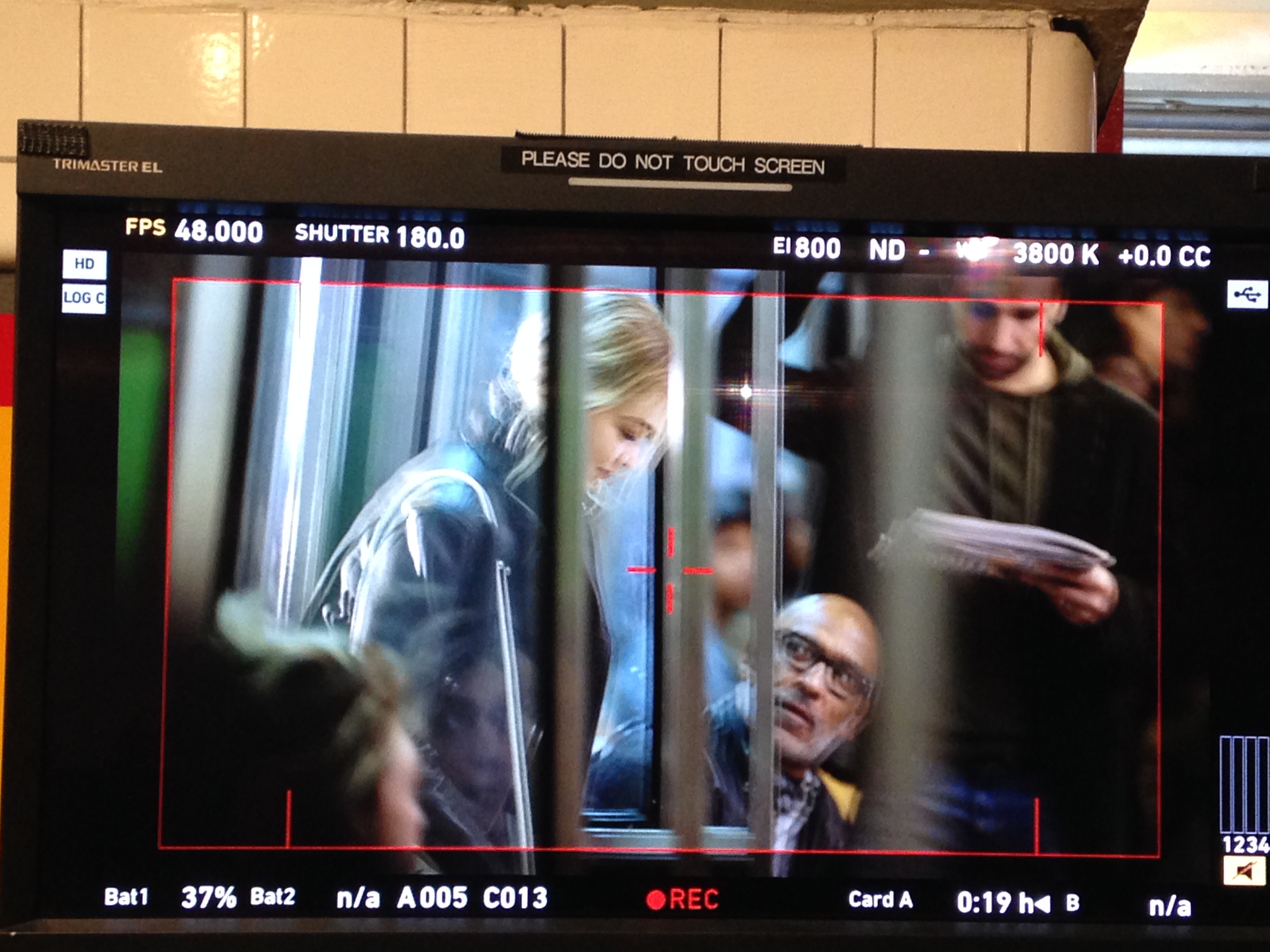
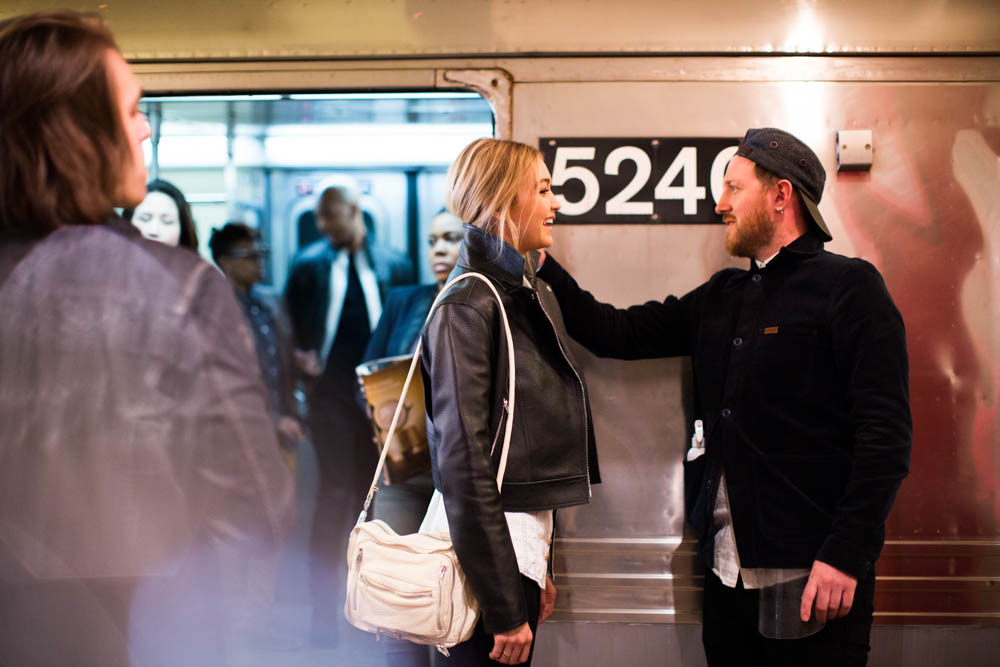
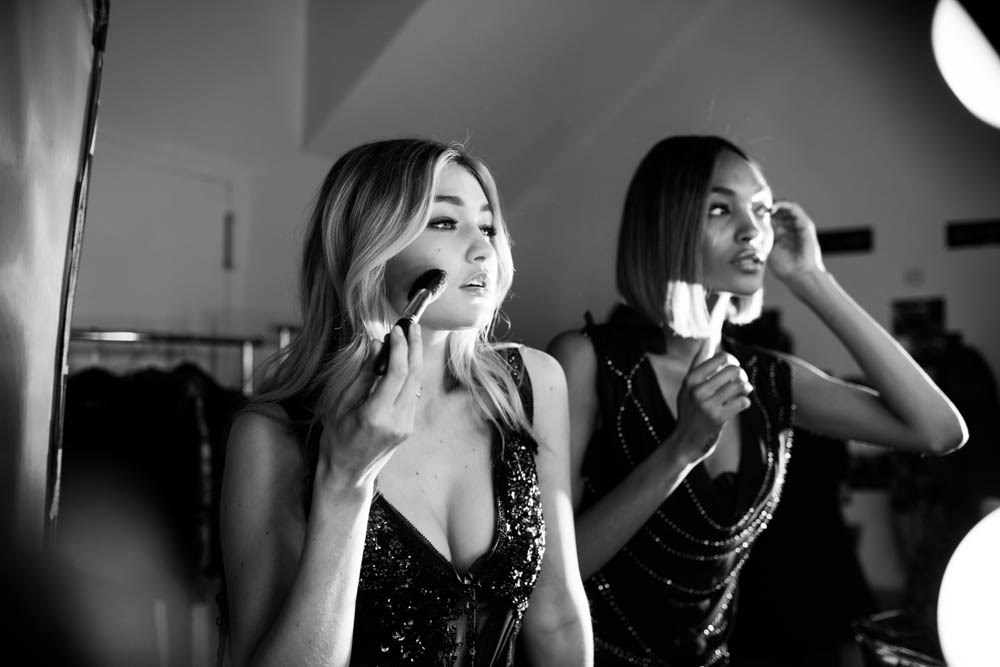
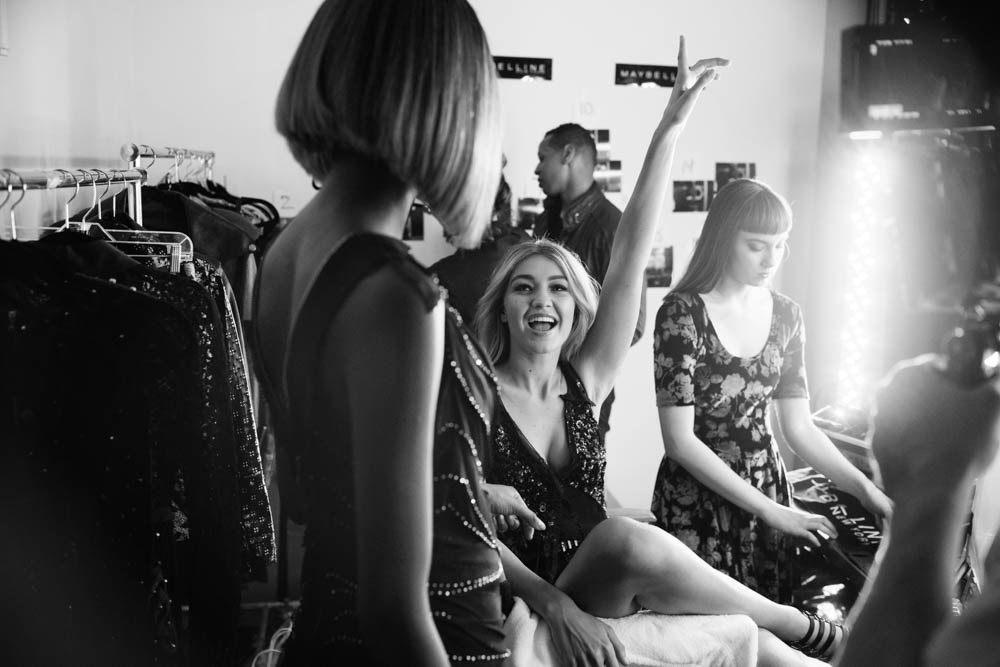
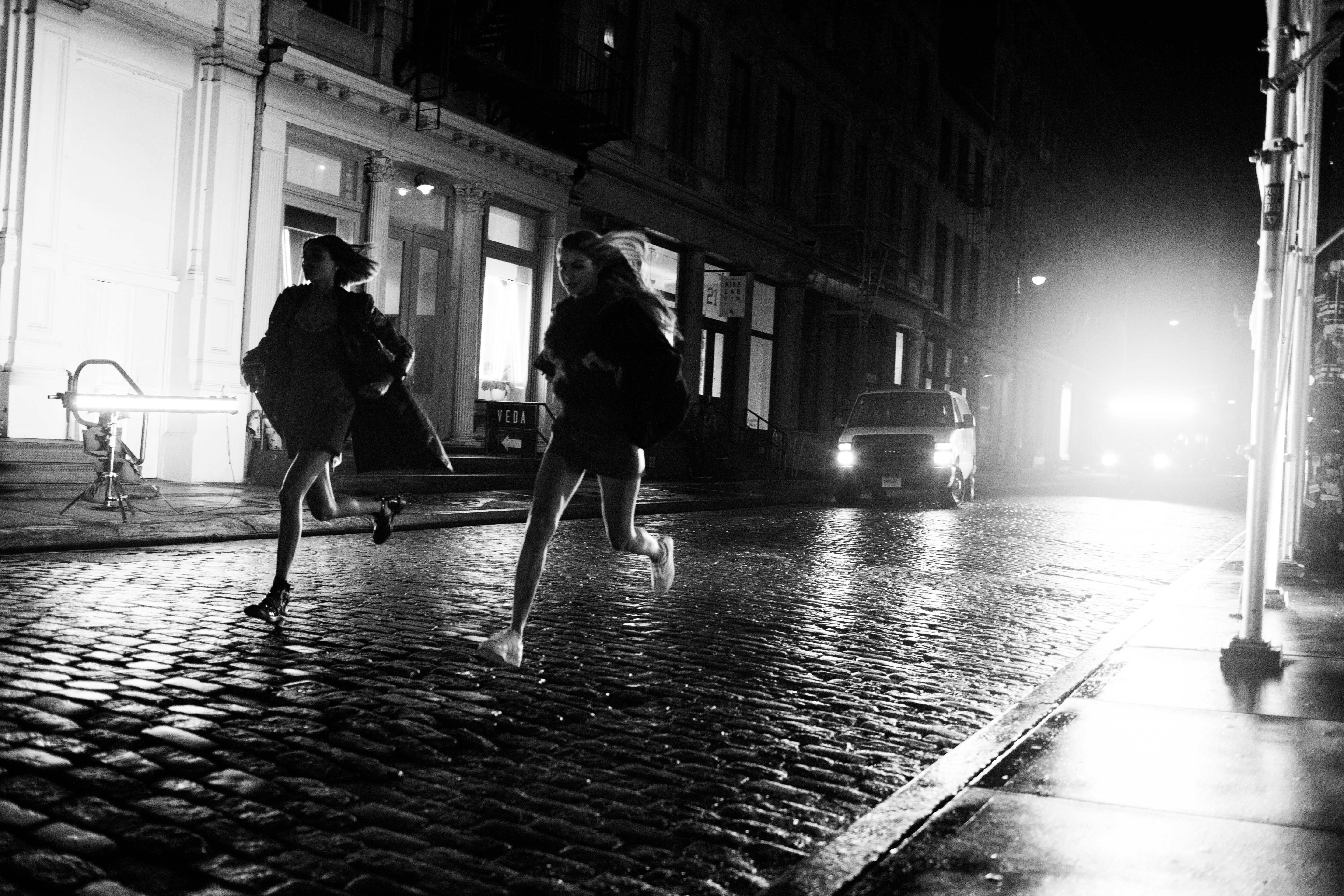
For Push Up Drama Mascara, I worked with Jake Nava — director of music videos for Jay-Z and Beyoncé, whose cinematic, dramatic signature was exactly what we needed to carry the energy of the city into the body of Gigi Hadid and Jourdan Dunn. Subway, rooftop, catwalk. Not glamorous interpretations of New York. True ones. Anyone who had actually lived there recognised them immediately. That recognition was the whole point.
For Chaotic Mascara, Charlotte Kemp Muhl brought a different register — rawer, more electric. Same city, same attitude, different product, different woman. The brand book made both possible because it wasn't a template. It was a territory.
Without knowing it, I had built the first version of what would become the cultural diagnostic at the heart of WMUH. Not a methodology. A discipline. The discipline of arriving somewhere without a map and building one from what you find rather than what you assumed.