I moved to London for a woman. She was English. I was French. I barely spoke the language. And the city had absolutely no interest in making any of that easy.
My first significant project asked me to do for a brand exactly what London was asking me to do for myself: earn a place inside something that hadn't asked for me and didn't need me.
I had joined Jam, one of the first social-first agencies in London, built explicitly for the social and mobile age that was arriving. Instagram was gaining ground. The smartphone was beginning to change who photography belonged to. Three things were emerging at the same moment: a city I was learning to read, an agency building itself in real time, and a cultural shift nobody had yet fully named.
Samsung saw the shift before most brands did. As the smartphone democratised photography, how could a hardware brand hold its place as a photographer's brand? The Galaxy Camera was their answer: real lens, real sensor, all the connectivity of a smartphone, none of its compromises on image quality.
But the community they were trying to reach already existed. Urban photographers across eight cities. That culture had its own codes, its own pride. It didn't need Samsung.
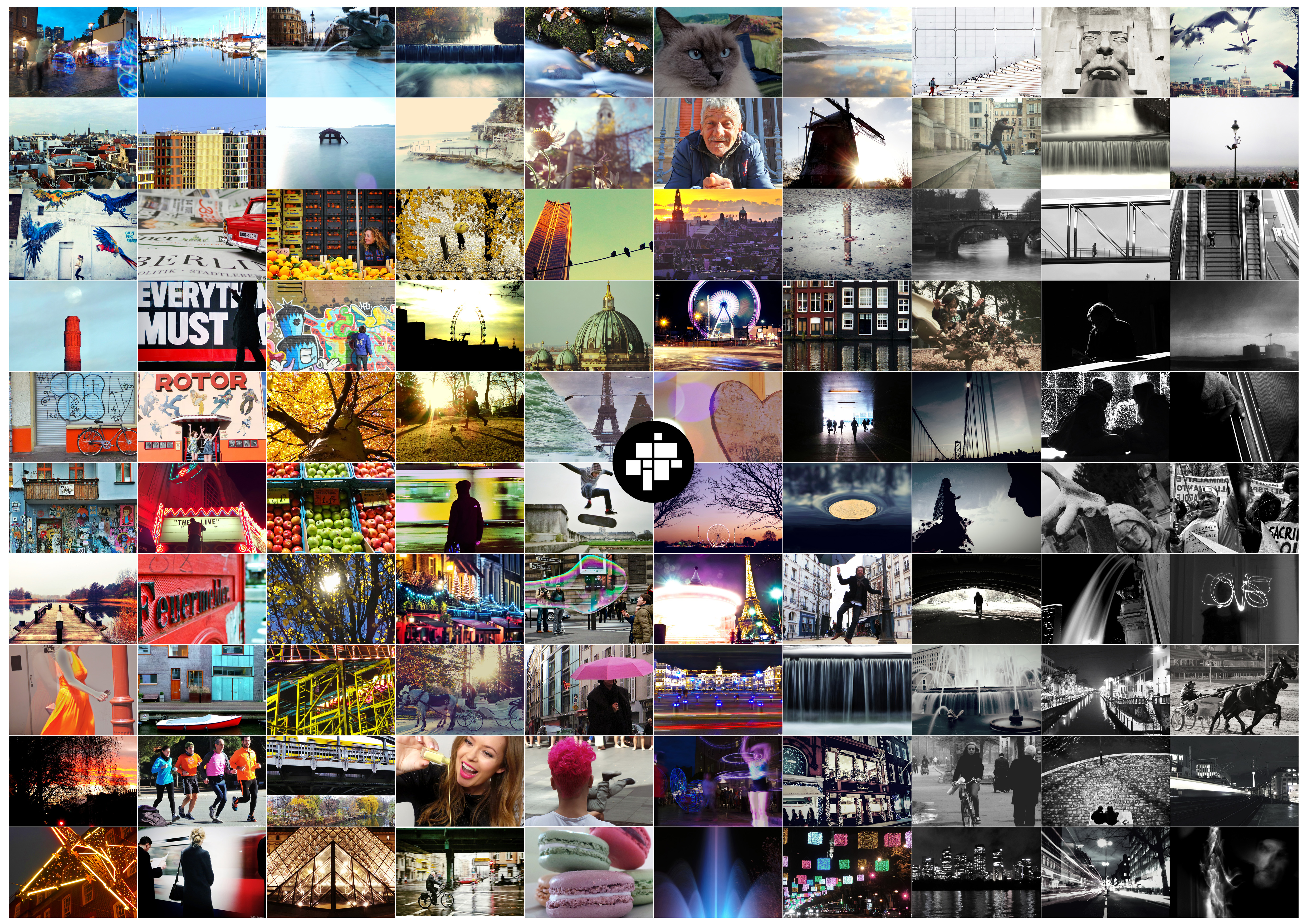
32 photographers. 8 cities. One challenge: prove your city is the most photogenic in the world. Each photographer worked within a specific camera mode, demonstrating the Galaxy Camera's capabilities without ever saying so directly. Images flowed into a Tumblr hub under #lifesaphoto. The public voted. Berlin won.
The brand hadn't interrupted. It had participated. The community responded not because Samsung had bought their attention, but because the work had respected what already existed.
I was learning the same thing personally. London hadn't asked for me either. Belonging required genuine attention, respect for what was already there, the patience to contribute without taking over.
Cannes Lions shortlisted. The campaign contributed to 45% annual growth at Jam London, taking the agency from an unknown name to a UK Top 5 digital agency in under two years.
This is where it started. Not with a method. Not with a framework. With the feeling that belonging — for a person in a new city, for a brand in a culture it didn't yet understand — required the same thing. I didn't have a word for that in 2012. I spent the next ten years finding one.