Becca was Australian. Estée Lauder had acquired it because they saw what the market had missed: genuine authority on light and complexion, built across a shade range that actually worked across every skin tone. For the first time, I was working in-house. I was no longer reading a brand from the outside. I was inside something that needed to understand itself before it could belong to anything. The brief was to establish the brand in the US. The real challenge was earning the trust of Sephora and Ulta, whose national retail presence was the only path to scale.
In 2016, prestige beauty was still largely failing women of colour. Becca had built products that worked across the full spectrum, because the brand understood how light behaves differently on every skin tone. Expert of Light was not a repositioning. It was the product truth, finally named.
There was no traditional media budget. The production investment required to maintain a shade range of that breadth had consumed it. That constraint became the strategy. The brand's credibility had to be earned inside the culture, not bought on top of it.
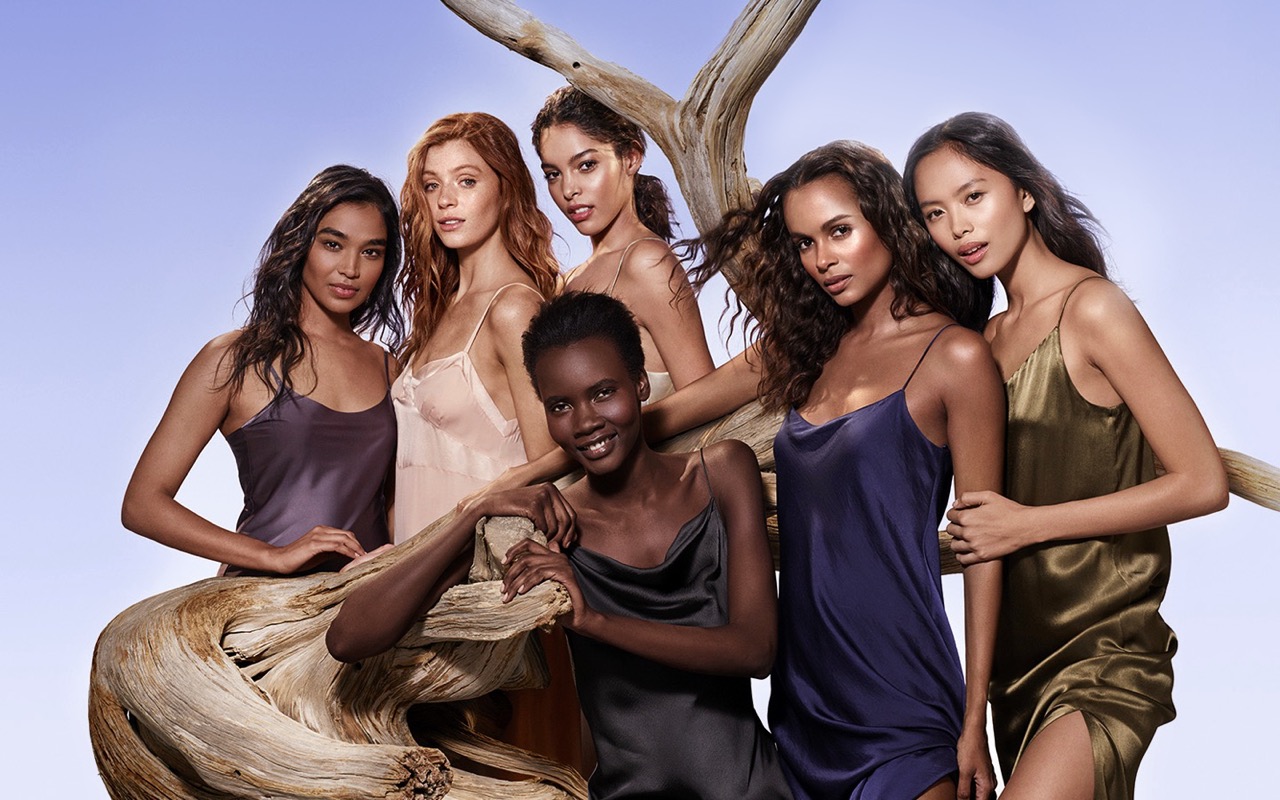
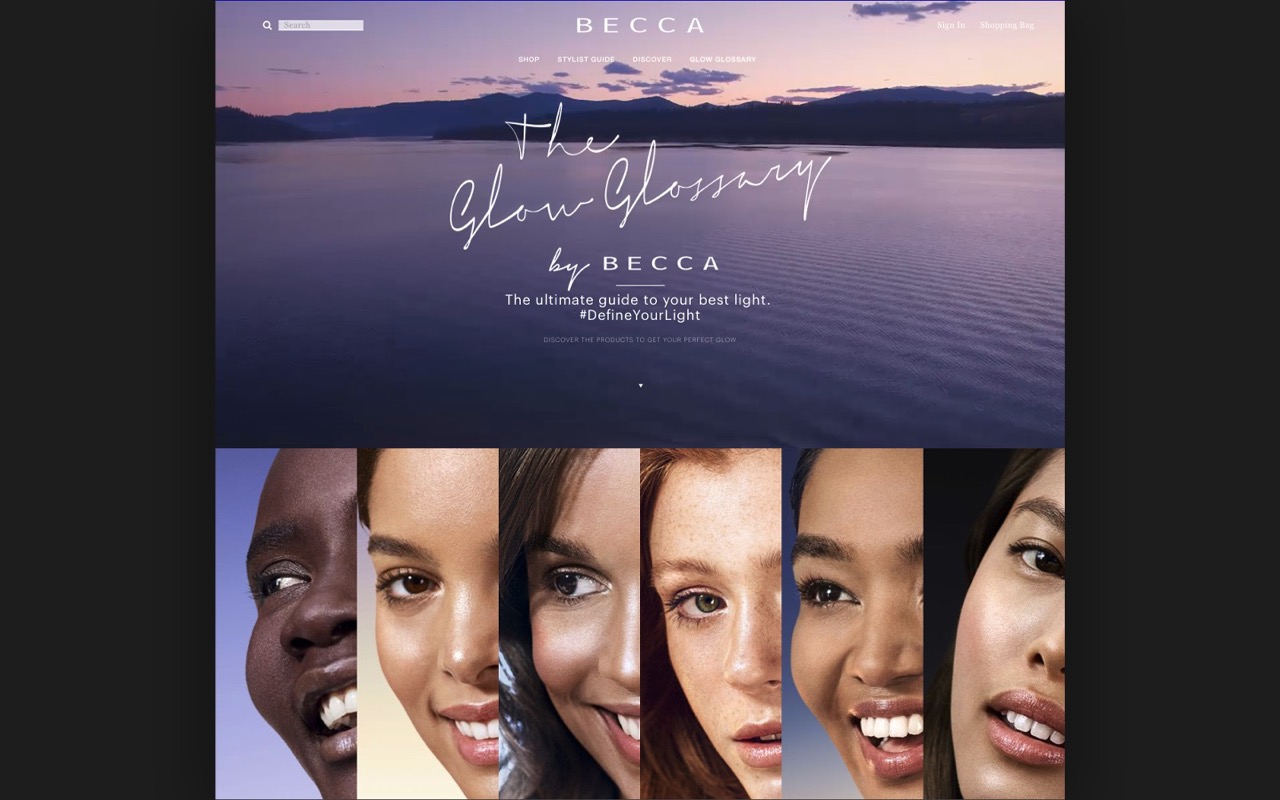
The Glow Glossary translated the diagnosis into a creative system: six light pillars mapped to six complexion realities. The casting was the argument — the full spectrum of American women as product demonstration, not diversity statement.
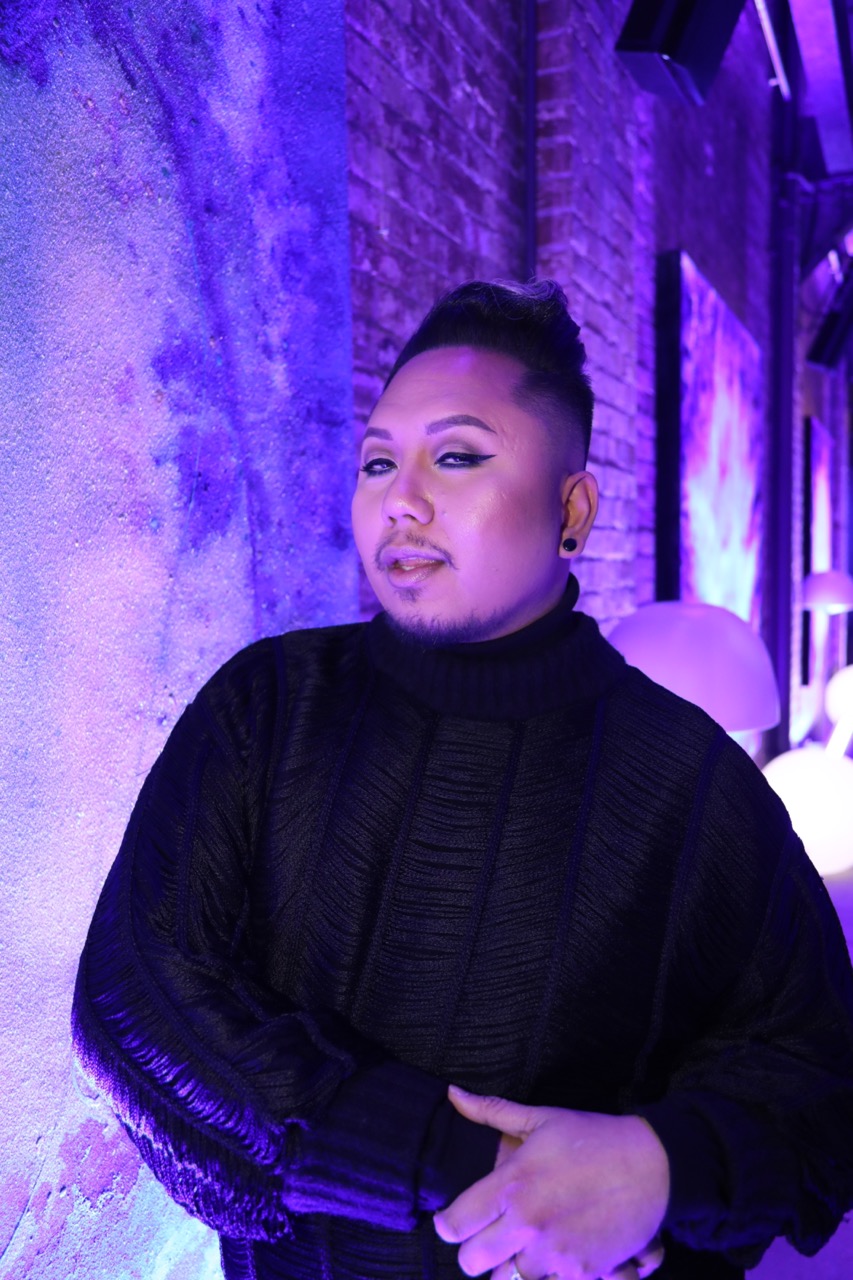
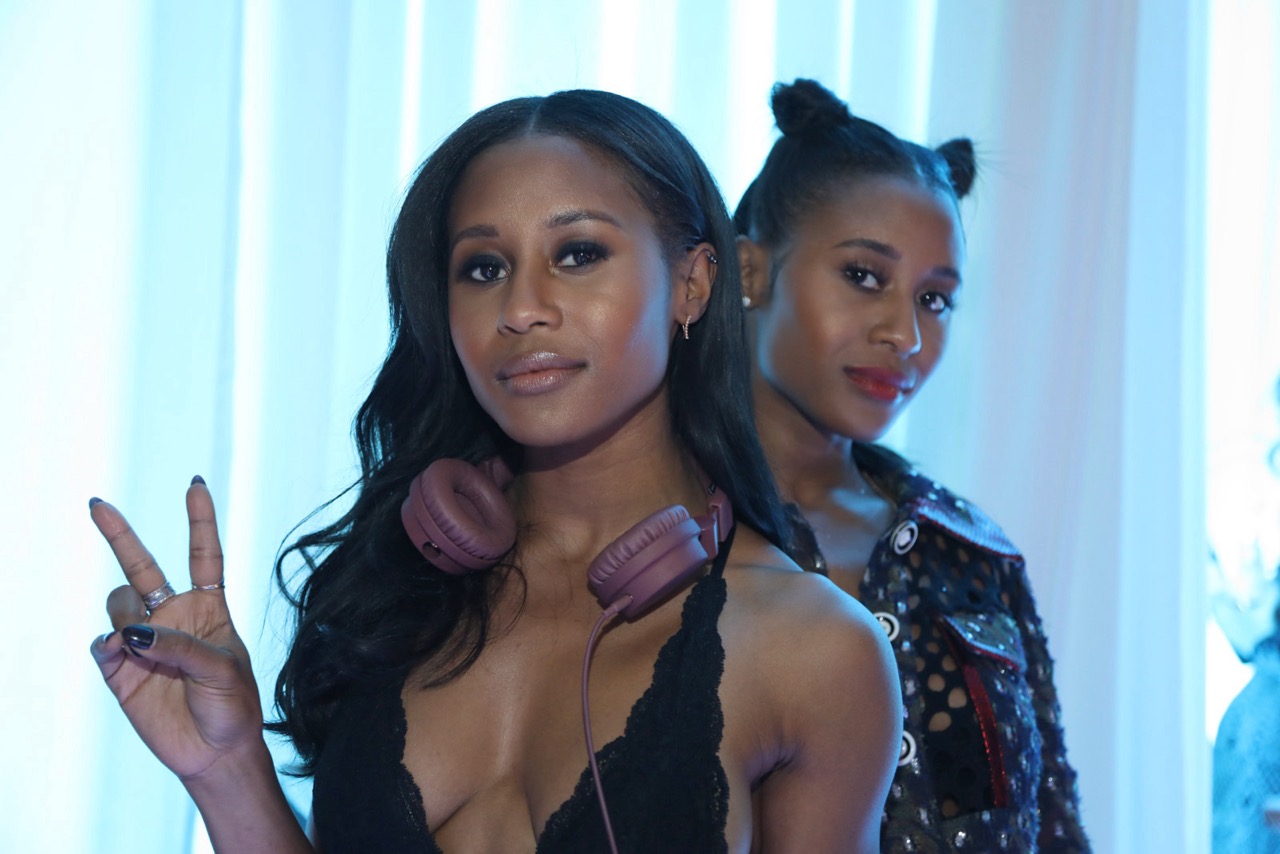
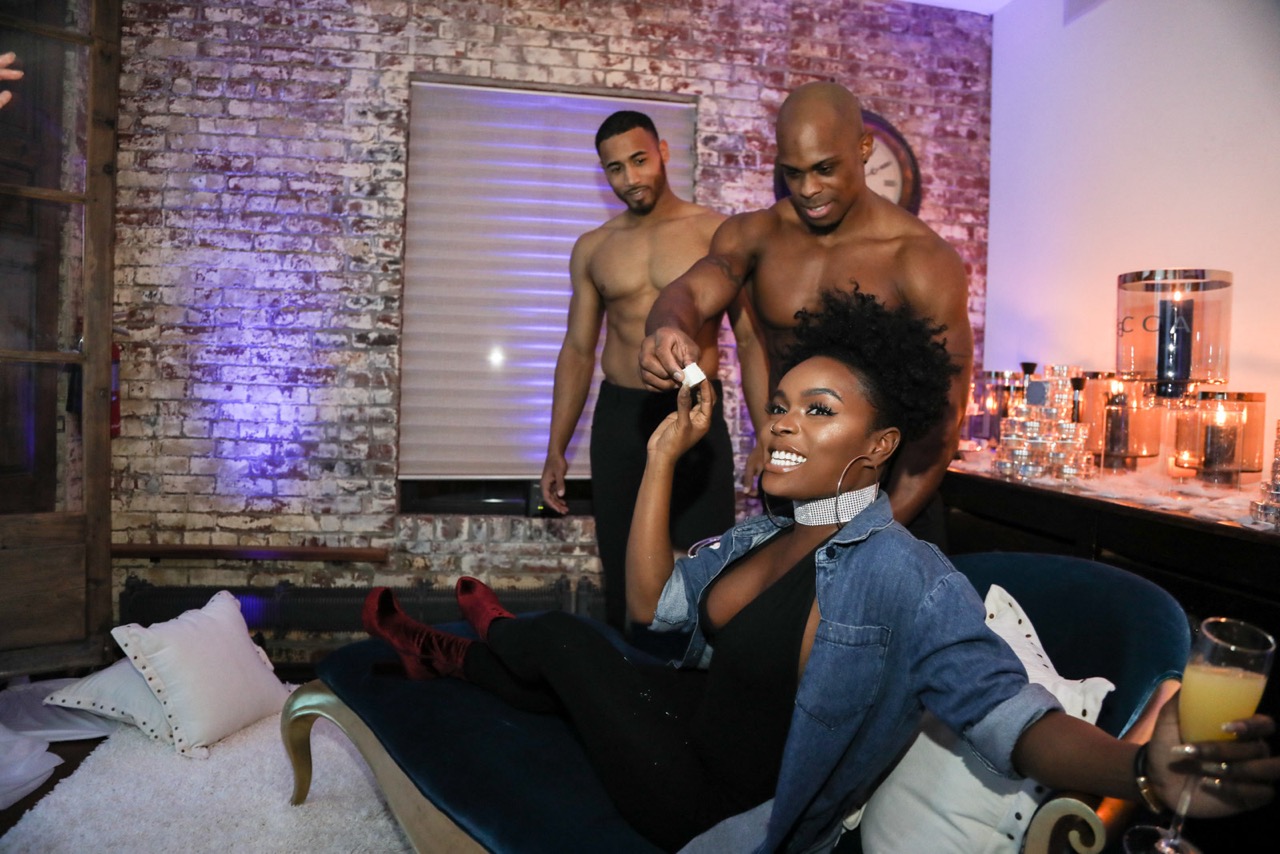
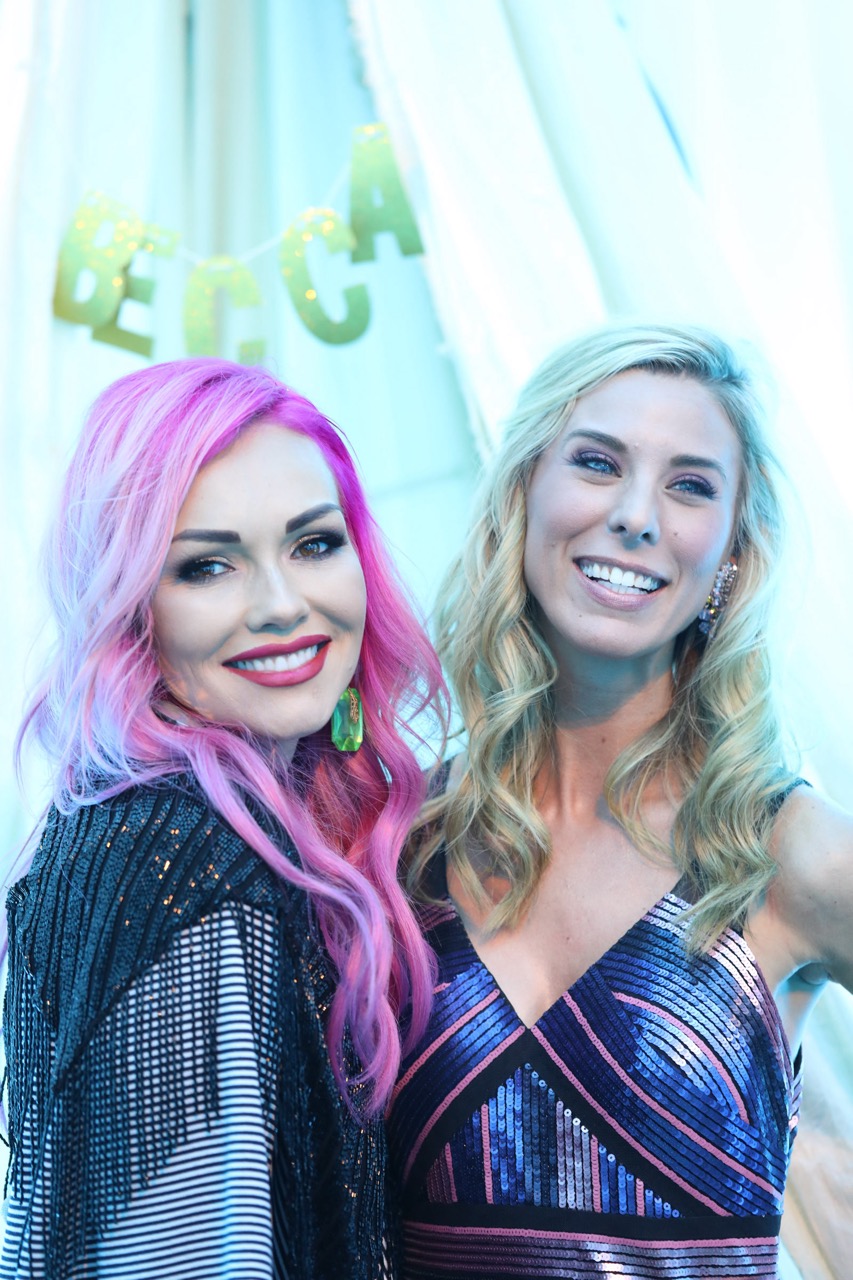
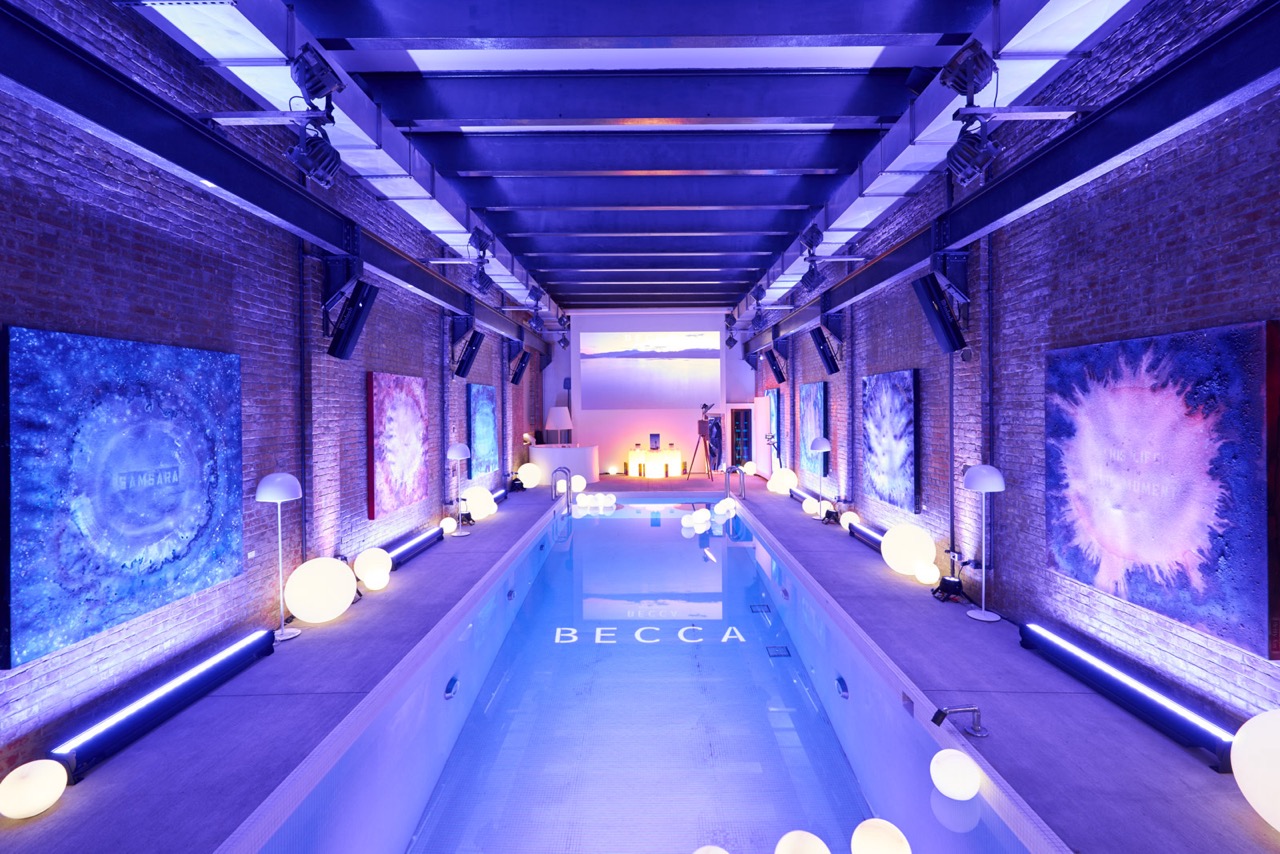
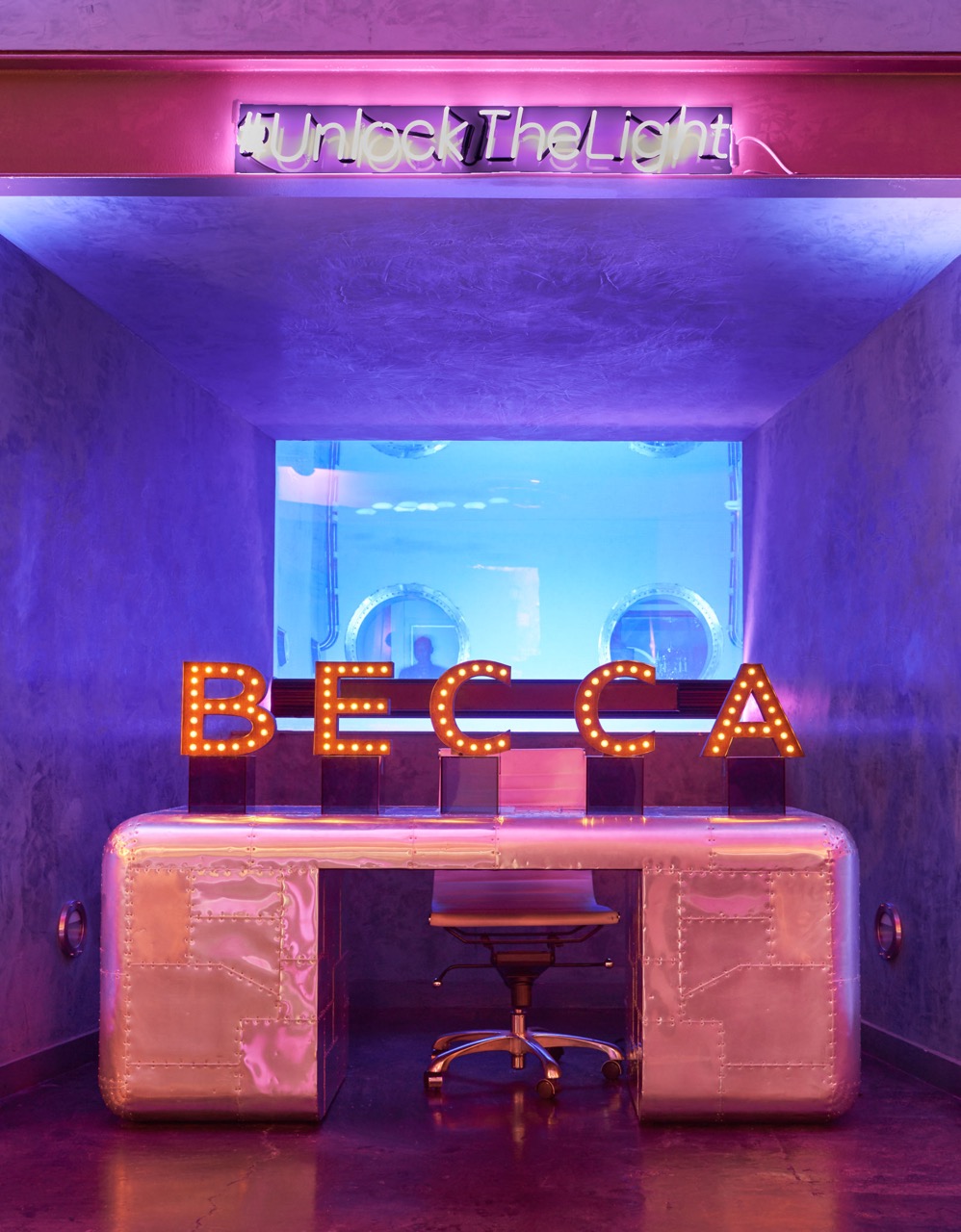
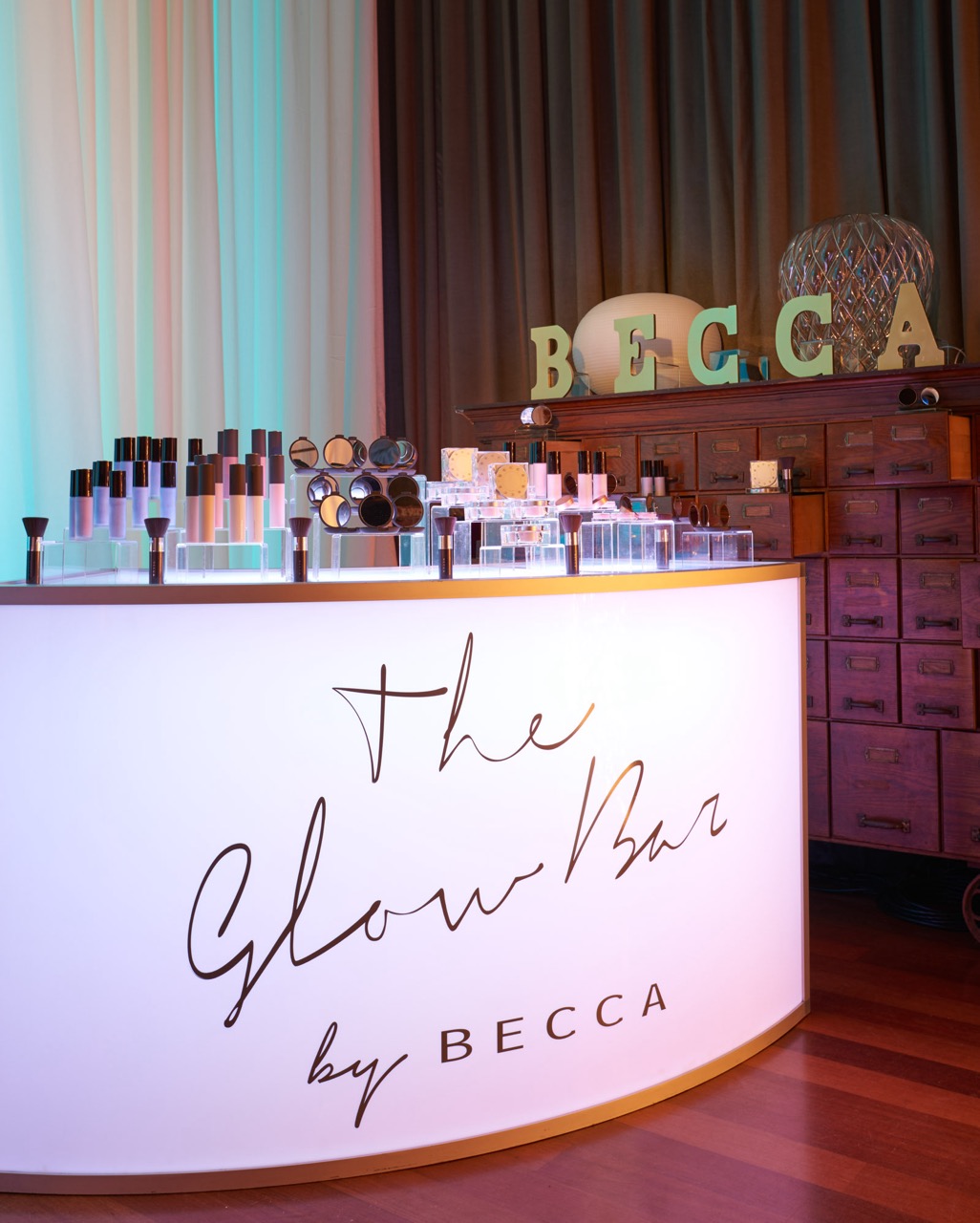
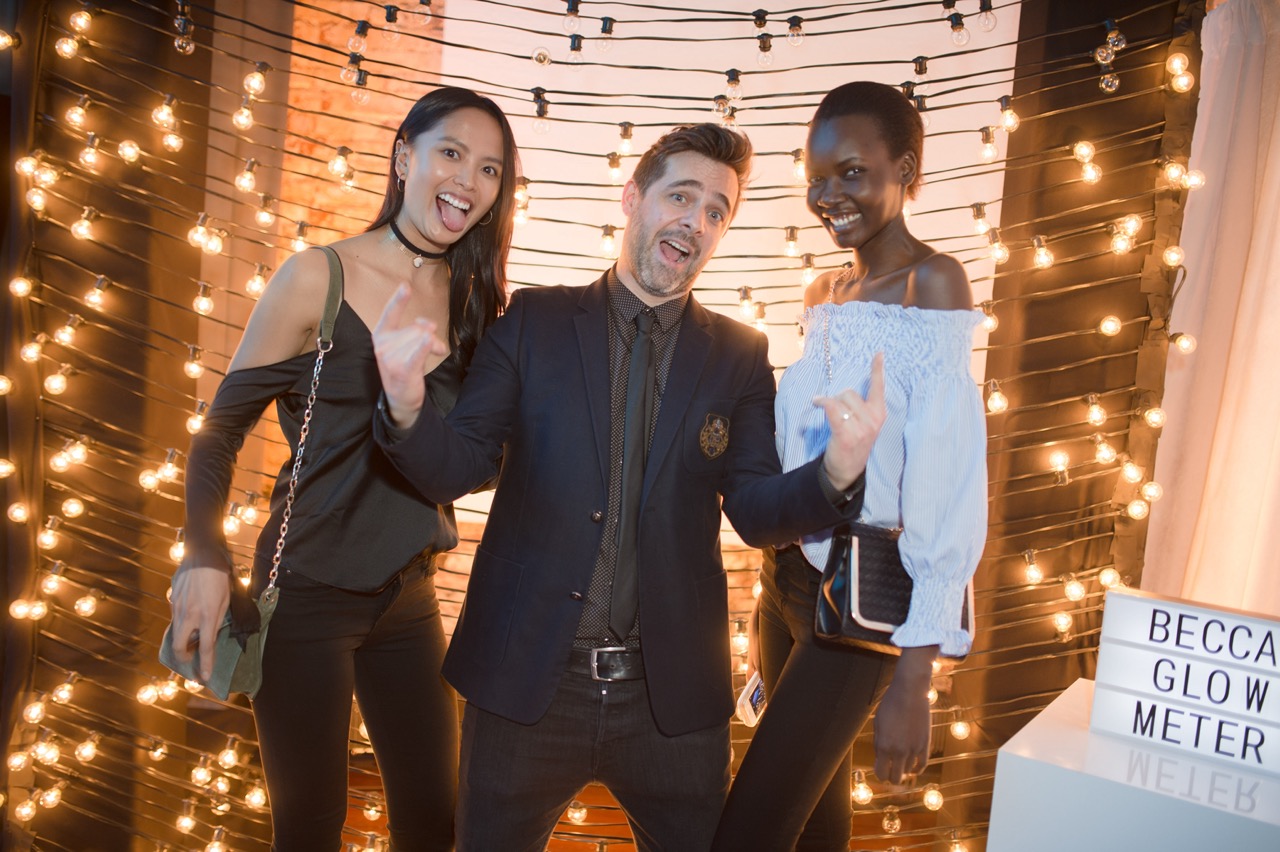
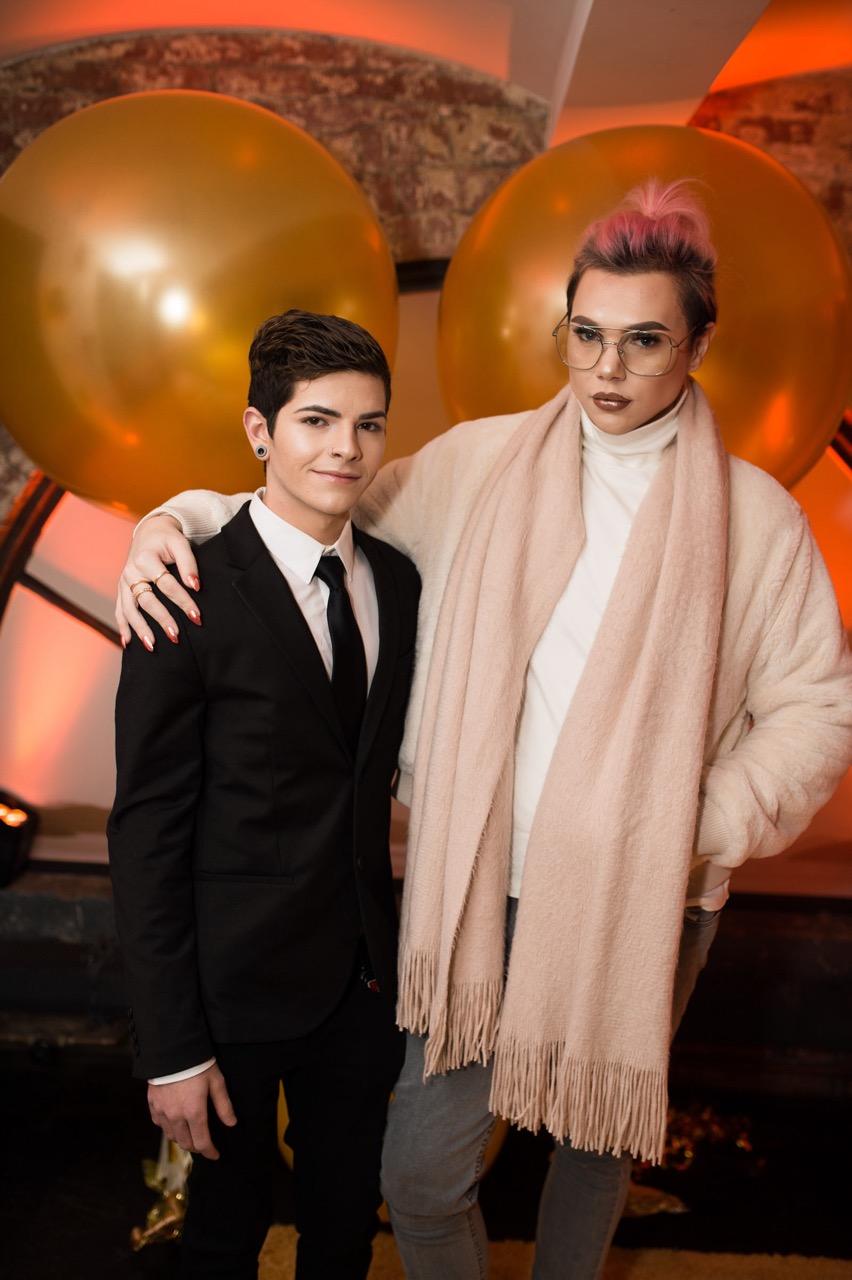
The creative translation was a PR event: 5 floors, 6 rooms, a SoHo Townhouse transformed into a spatial experience of the Glow Glossary. Every influencer chosen for their community. 150 people, 17.5 million combined reach. Essence and Latina in that room were not incidental. They were the point.
The Glow Meter unlocked products for immediate purchase on Sephora.com the moment it hit its target. The event was not a press moment. It was a sales mechanism in real time.
The ATL print campaign ran across Allure, InStyle, Vogue and WWD. The Sephora and Ulta merchandising was redesigned entirely around the Glow Glossary narrative. On beccacosmetics.com, a skin tone selector embedded the inclusivity claim directly into the e-commerce journey.
First Light Priming Filter became the number one primer on Sephora.com the night it launched. Four days after launch: 1,496 units, $56,308 in net sales.



Chrissy Teigen posted about Becca's highlighters on Instagram. Organically, unprompted. Most brands would have seen a media opportunity. This was a cultural signal — and the decision was to build from it rather than exploit it.
She was not a celebrity to feature in a campaign already decided. She was a woman who had already chosen the brand.
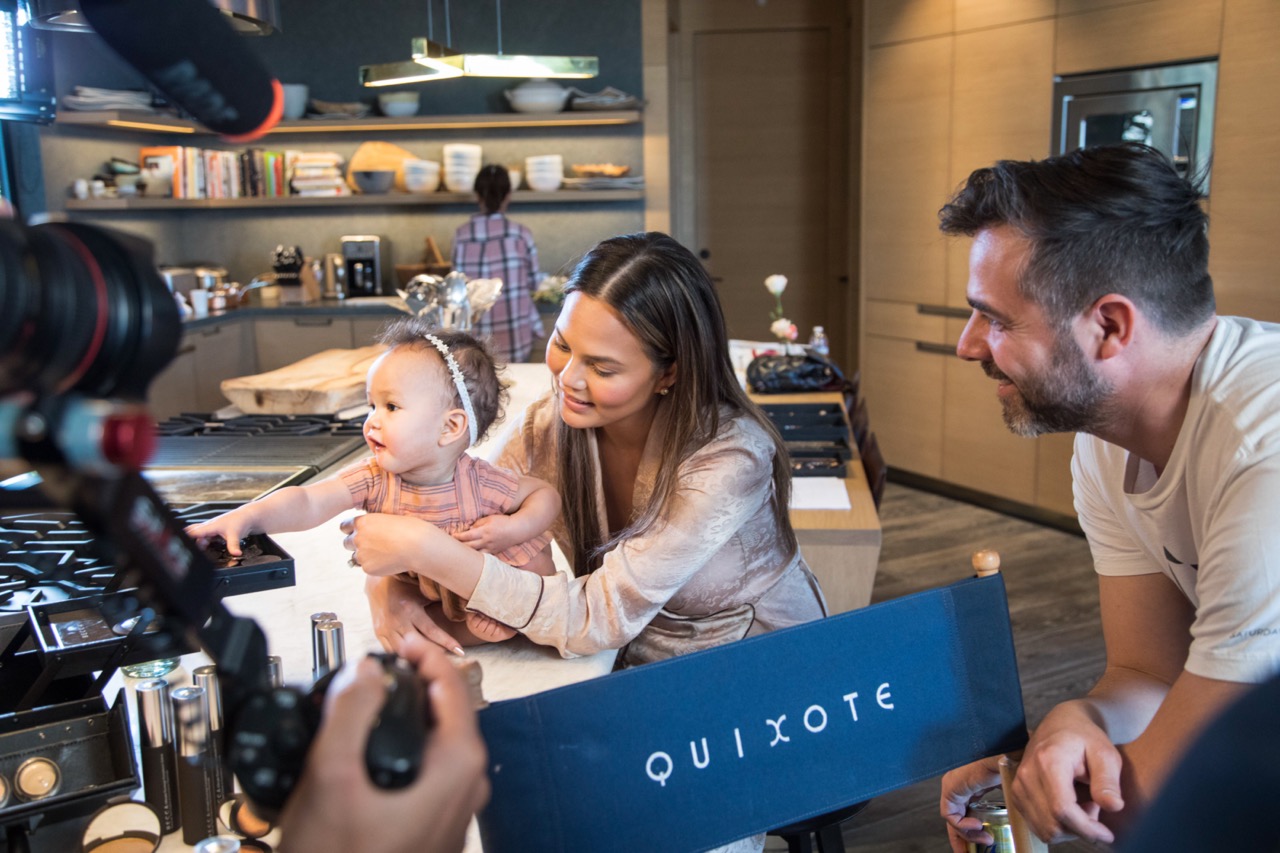
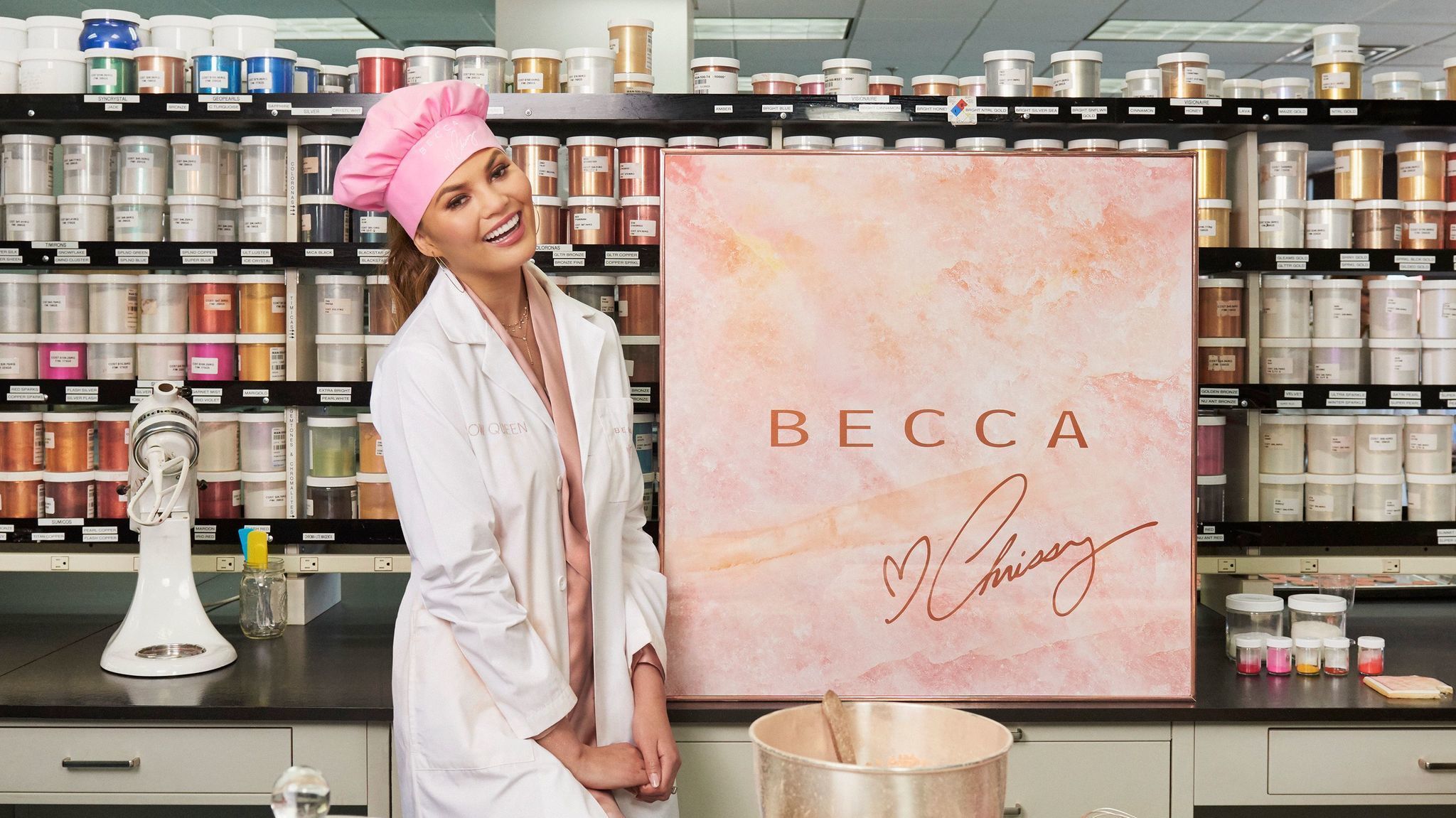
Working in-house meant being present at every layer — from product formulation to campaign direction to the shelf in a Sephora store. The Glow Face Palette was built from a conversation, not from a market brief.
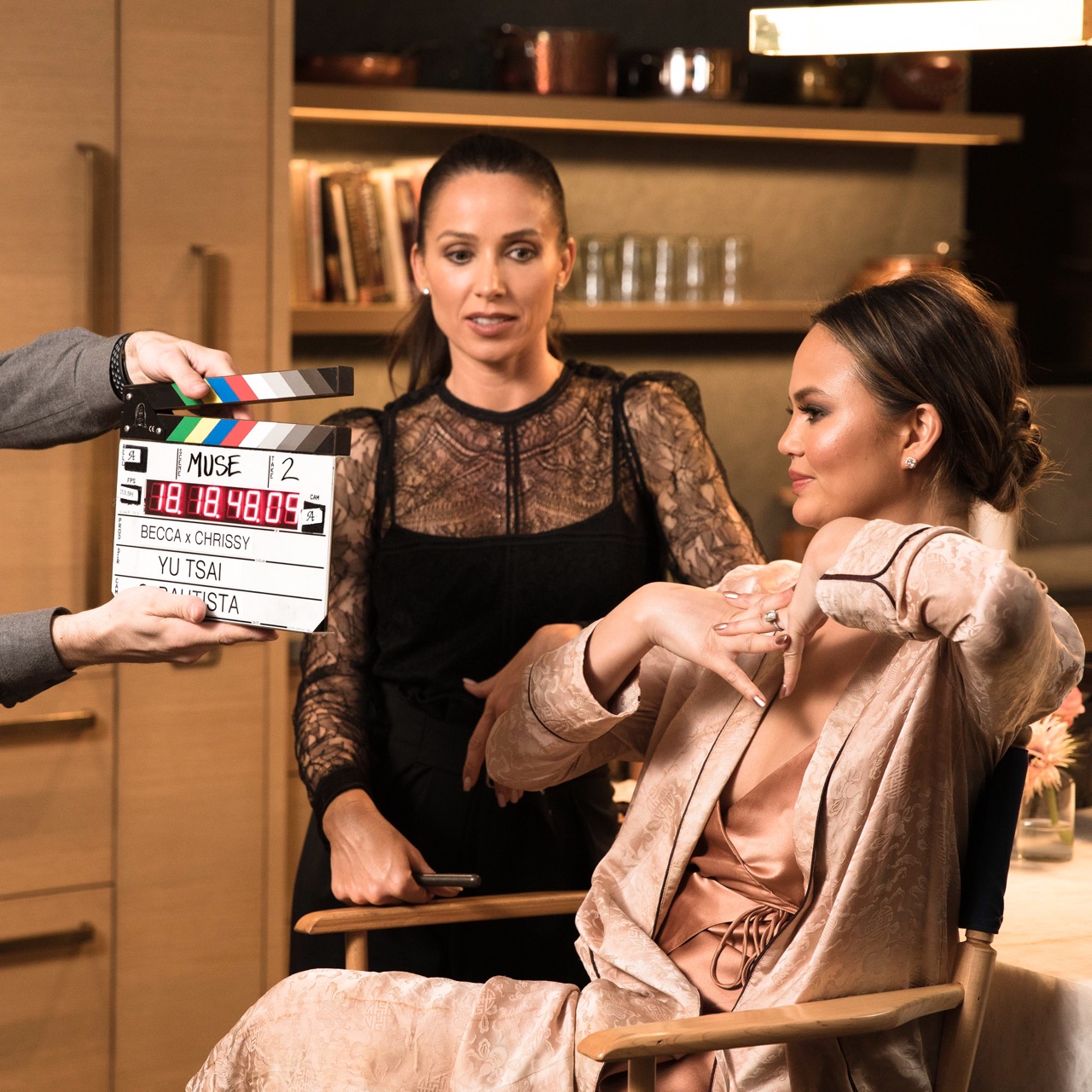
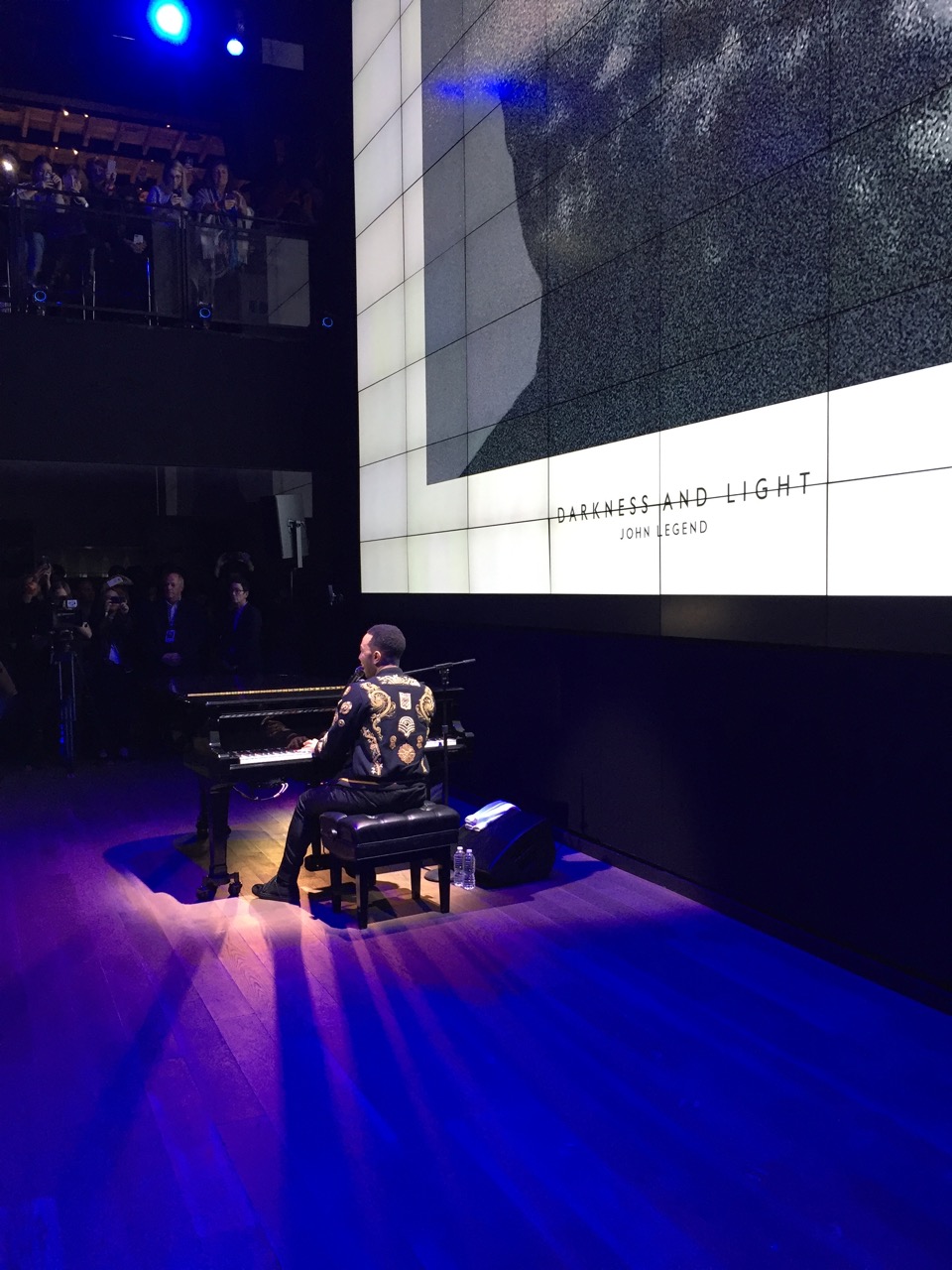
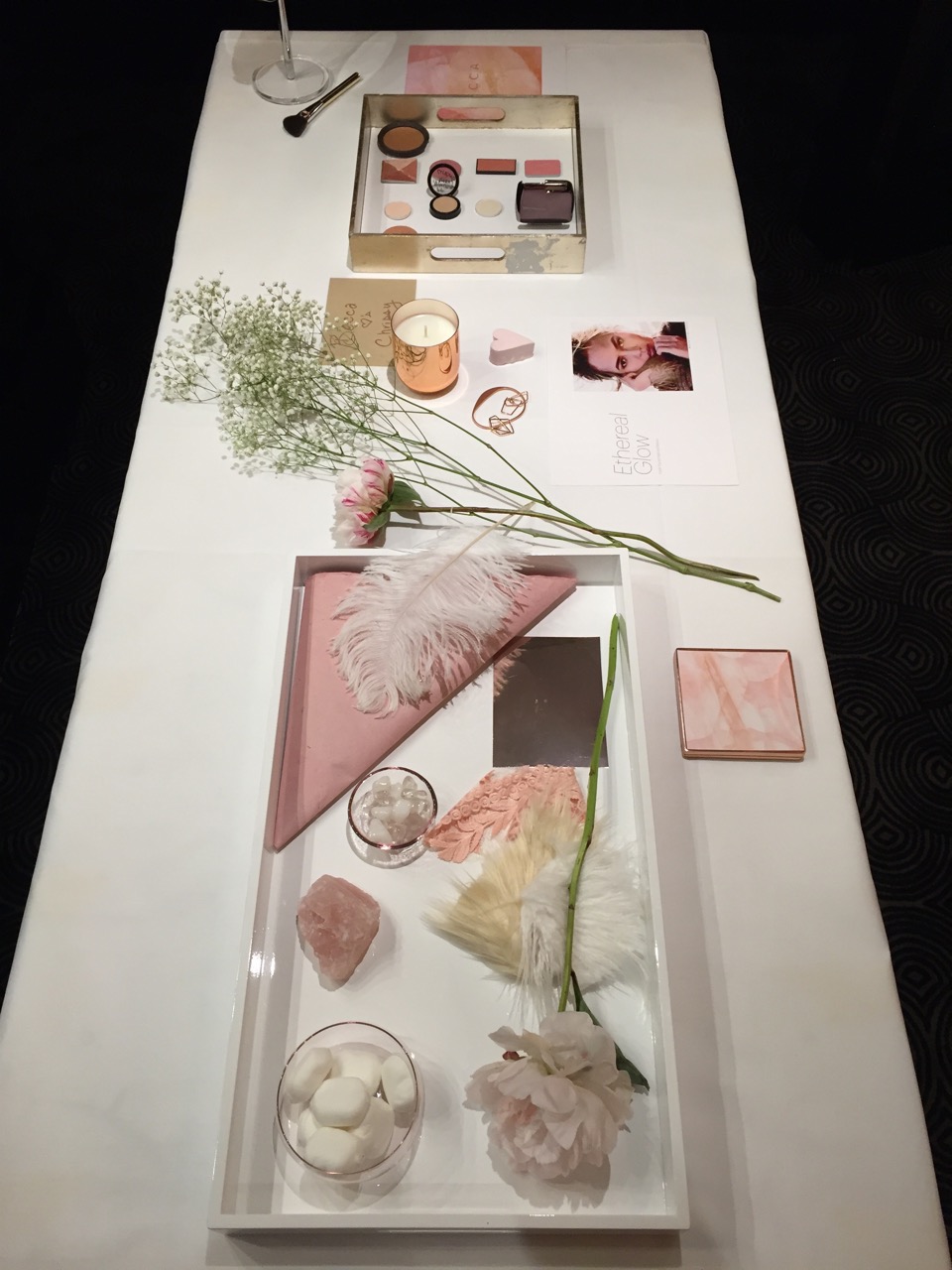
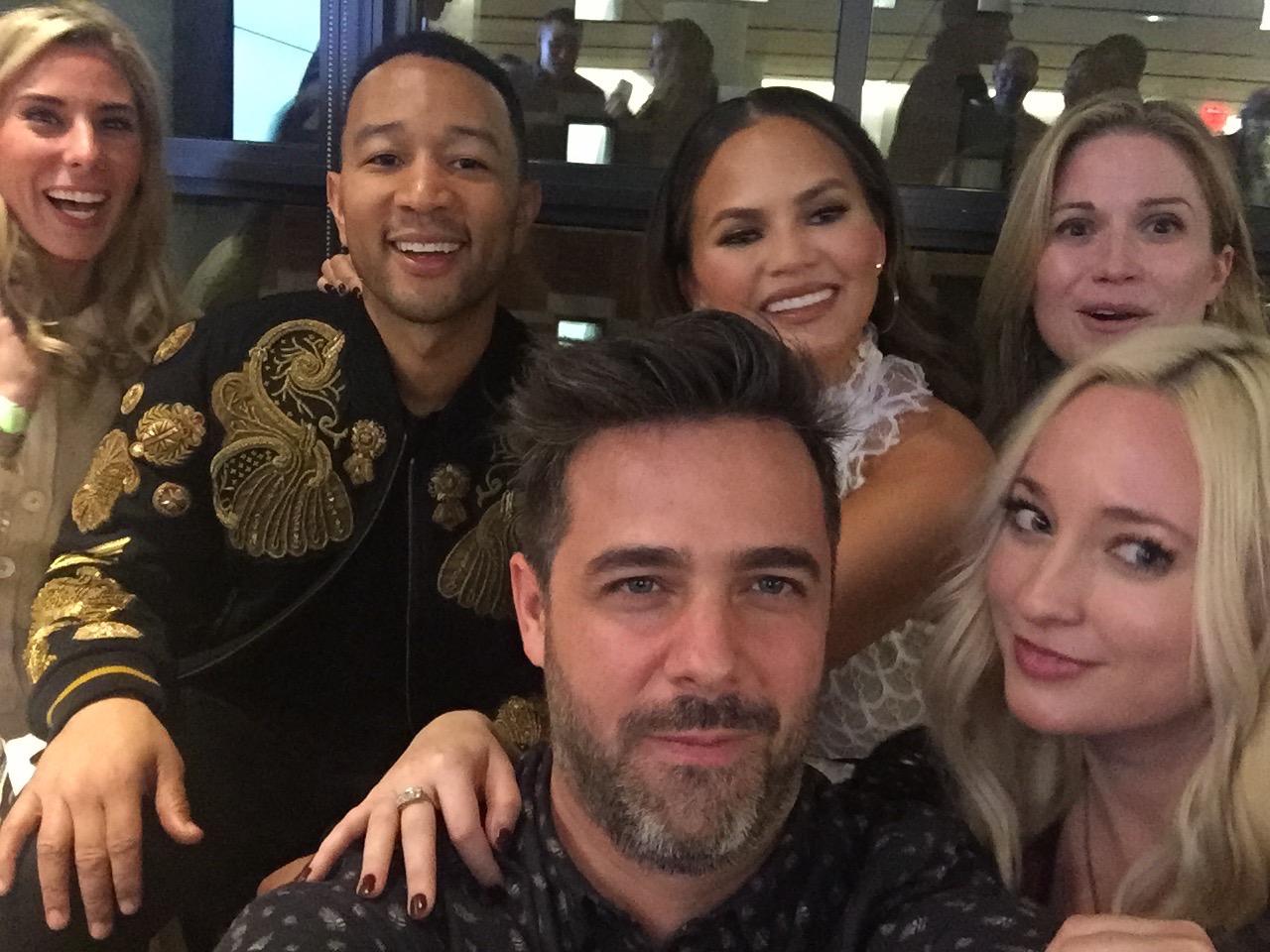
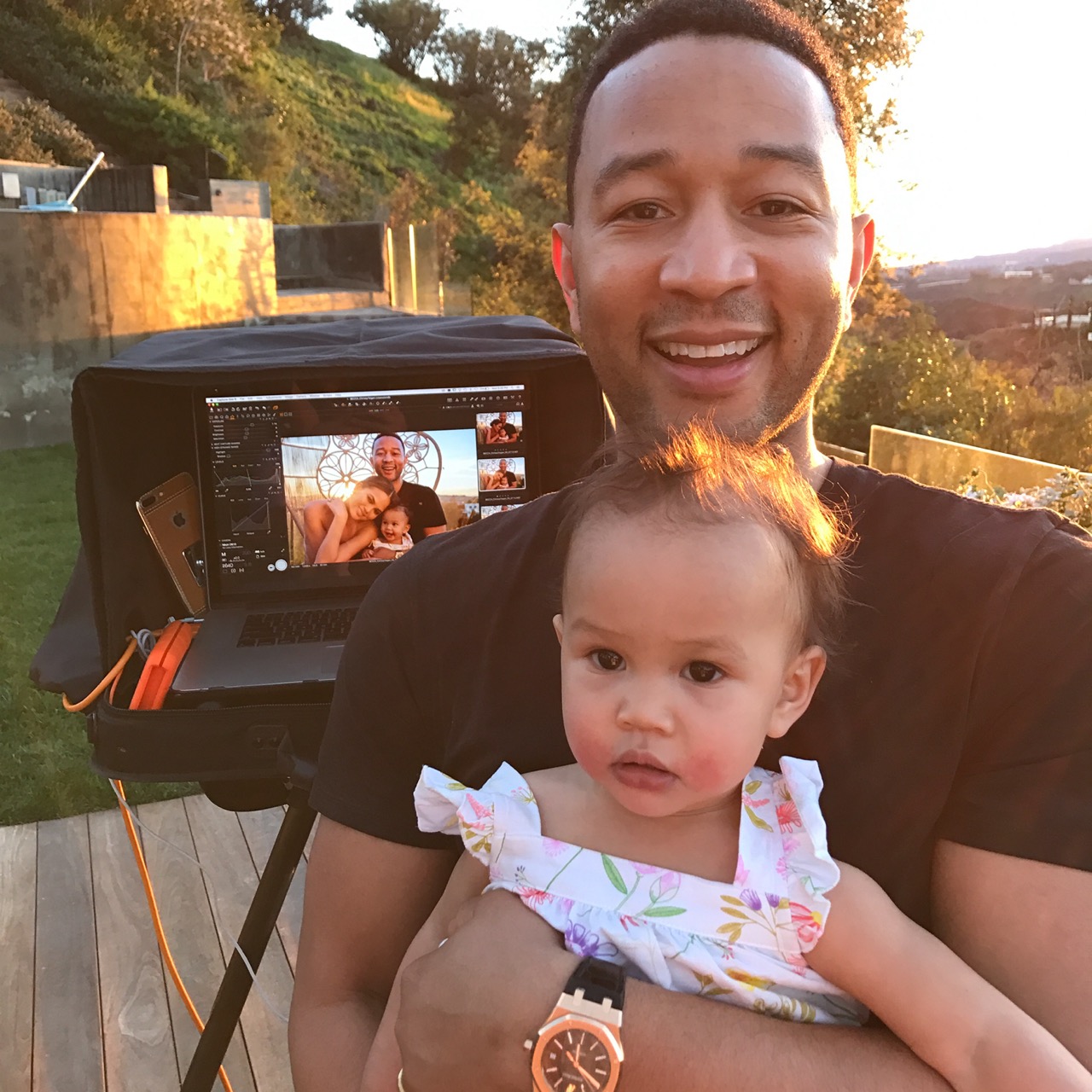
The diagnosis was immersion. A private dinner at Del Posto to present concept moodboards. An evening that ended at John Legend's private concert. Rose quartz crystal as design language. A location recce at their Beverly Hills home to understand which spaces carried which facet of her personality. Three roles: the mother, the friend, the muse. The shoot worked because everything had been decided from the inside before a single photo was taken.
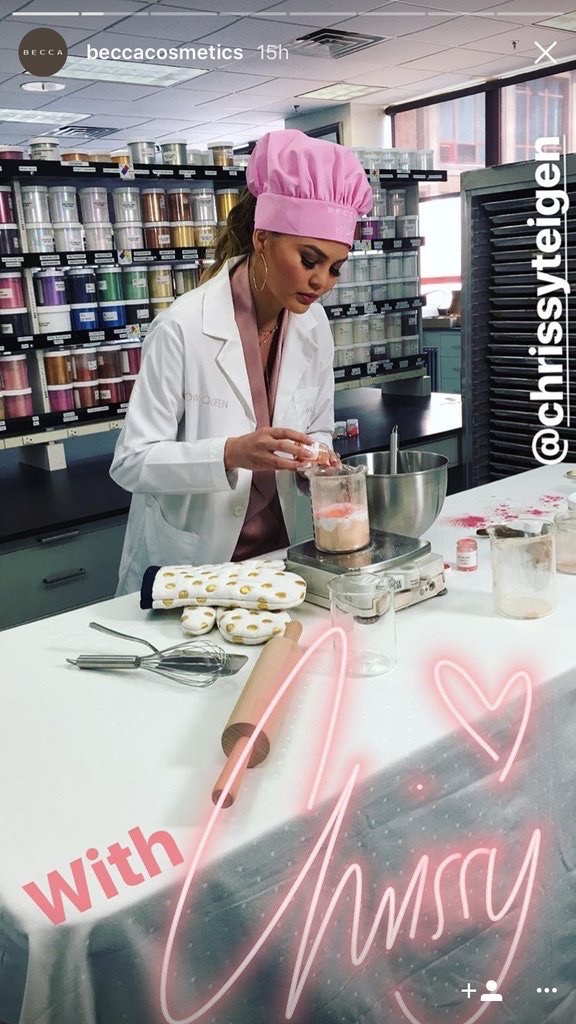
The teaser film connected her two public identities — cook and beauty icon — in a deliberately absurd way only she could own. Authentic not because it was realistic, but because it was her.
The campaign ran across every channel simultaneously. The Glow Face Palette became the number one selling face palette at Sephora US from day one. The campaign launched at Sephora France in May 2017.
Cultural relevance is not built from inside an organisation. It starts from what is already true in the culture around it. The signal was there before the brief. It always is.